


































History of Cannabis: From Ancient Use to Modern Legalization in 2026

Quick Answer
Cannabis has been used for thousands of years as a plant for fiber, food, traditional medicine, and cultural practices. In early America, hemp was valued as an agricultural crop and used for rope, textiles, paper, and other practical materials. In the 19th century, cannabis appeared in some medical references.
During the 20th century, cannabis became heavily restricted in the United States due to political pressure, anti-drug campaigns, racialized public messaging, and federal drug-control laws. In recent decades, cannabis has re-entered public discussion through medical cannabis programs, adult-use legalization in some states, cannabinoid research, and ongoing federal policy debates.
Cannabis remains legally and medically complex. Its legal status and health guidance depend on location, product type, intended use, age, and individual risk factors.
Cannabis History Timeline
| Year / Period | Key Event |
|---|---|
| Ancient times | Cannabis was used in early medicine, agriculture, textiles, food, and cultural practices. |
| Around 2900 BC | Ancient Chinese traditions are often associated with early medicinal cannabis use. |
| Around 1000 BC | Cannabis appeared in ancient Indian medical and spiritual traditions. |
| 70 AD | Cannabis was mentioned in early Roman medical writings. |
| 800–900 AD | Cannabis appeared in Arabian medical documents and herbal traditions. |
| 1600s | Hemp became an important crop for early American settlers and was used for rope, textiles, paper, and other materials. |
| 1850 | Cannabis was added to the U.S. Pharmacopeia. |
| Early 1900s | Cannabis appeared in some medicines, while recreational use and political concern began to rise. |
| 1930s | Anti-marijuana campaigns increased, and many states began restricting or banning cannabis. |
| 1937 | The Marihuana Tax Act created major federal restrictions on cannabis. |
| 1942 | Cannabis was removed from the U.S. Pharmacopeia. |
| 1950s | Drug laws became stricter, and cannabis possession carried harsher penalties. |
| 1960s–1970s | Cannabis became strongly associated with counterculture, music, protest movements, and youth culture. |
| 1980s–1990s | Anti-drug campaigns shaped public perception of marijuana. |
| 1996 | California became the first U.S. state to legalize medical cannabis under state law. |
| 2012 | Colorado and Washington legalized adult-use recreational cannabis. |
| 2020s | More states adopted medical or adult-use cannabis laws, while federal cannabis policy remained under debate. |
| 2026 | Federal marijuana rescheduling proceedings remained an important policy development in the United States. |
What Is Cannabis?
Cannabis refers to plants in the Cannabis sativa L. species. The plant contains naturally occurring compounds called cannabinoids. Two of the best-known cannabinoids are THC and CBD.
THC is commonly associated with the intoxicating effects of marijuana. CBD is generally described as non-intoxicating when isolated, but CBD products can still be regulated depending on their ingredients, labeling, claims, and jurisdiction.
Cannabis is not a single product category. It may refer to hemp, marijuana, medical cannabis, adult-use cannabis, cannabis-derived compounds, or regulated consumer products. This is one reason cannabis history and cannabis law can be difficult to understand.
Origins and Early Use of Cannabis
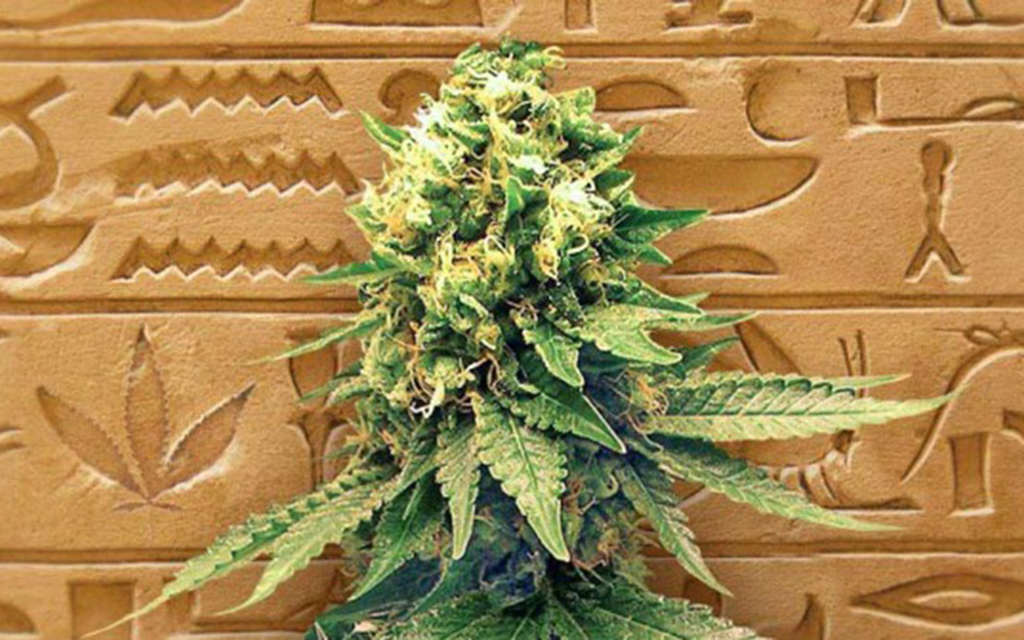
The exact origin of cannabis use is difficult to define, but the plant has been connected to human life for thousands of years. Ancient societies used cannabis and hemp for many purposes, including fiber, food, traditional medicine, and ritual practices.
In ancient China, India, the Middle East, and parts of Europe, cannabis appeared in herbal and cultural traditions. Hemp fiber was especially valuable because it could be used for rope, cloth, sails, and paper. The plant’s seeds were also used as a food source in some regions.
This early history shows that cannabis was not originally viewed only as an intoxicating substance. For much of human history, it was treated as a useful plant with agricultural, practical, cultural, and medicinal significance.
Hemp in Early America
In early America, hemp was an important crop. Settlers used hemp fiber to make rope, clothing, canvas, and paper. It was valued because it was strong, fast-growing, and useful for many everyday needs.
During this period, hemp was seen more as an agricultural resource than as a controversial drug. This is one reason cannabis history can be confusing: the same plant family has been viewed very differently depending on time, place, and product type.
The distinction between hemp and marijuana became much more important in modern law. Today, hemp is generally associated with low-THC cannabis plants used for industrial or commercial purposes, while marijuana usually refers to cannabis with higher THC levels. However, definitions depend on local law.
Cannabis in Medicine
Cannabis also has a long medical history. In the 19th century, cannabis preparations appeared in some medical references and were used in certain remedies. Its inclusion in the U.S. Pharmacopeia in 1850 reflected its accepted medical use in some contexts at the time.
However, 19th-century medicine was very different from modern medicine. Products were not standardized in the same way, clinical research methods were less developed, and dosing could be inconsistent.
By 1942, cannabis had been removed from the U.S. Pharmacopeia. This marked a major shift away from mainstream medical recognition and toward stricter legal control.
Today, cannabis and cannabis-derived compounds remain active subjects of scientific research. However, medical claims should be made carefully. Cannabis products are not automatically approved treatments for diseases, and evidence can vary depending on the condition, product, dose, route of administration, and patient population.
Cannabis and the Endocannabinoid System
Modern cannabis research expanded after scientists began studying cannabinoids and the endocannabinoid system. The endocannabinoid system is a cell-signaling system involved in several biological functions, including sleep, appetite, mood, memory, pain response, and reproduction.
The body naturally produces endocannabinoids. Cannabis compounds such as THC and CBD can interact with cannabinoid-related pathways in different ways.
This helps explain why researchers continue to study cannabis and cannabinoids. However, the existence of the endocannabinoid system does not mean cannabis is a cure for disease. Scientific research is still ongoing, and medical use should be discussed with qualified healthcare professionals where cannabis is legally available.
Global Spread and Cultural Influence of Cannabis
Cannabis spread across different regions through trade, migration, agriculture, medicine, and cultural exchange. In some societies, it remained mainly a fiber crop. In others, it became part of traditional medicine, spiritual practice, or social use.
In the United States, cannabis became strongly connected to culture during the 20th century. Jazz musicians, writers, artists, Beatniks, and later the hippie movement helped connect cannabis with music, creativity, rebellion, and counterculture.
By the 1960s and 1970s, marijuana had become a symbol of youth culture and opposition to mainstream values. This increased its visibility but also intensified political attention, law enforcement, and public debate.
Prohibition and Anti-Marijuana Campaigns
The early 20th century marked a major turning point in U.S. cannabis history. Political pressure, racial bias, media campaigns, and fear-based messaging helped change public perception of marijuana.
In the 1930s, cannabis was increasingly presented as a dangerous drug. Anti-marijuana campaigns and films such as “Reefer Madness” shaped public fear and created stereotypes that lasted for decades.
The Marihuana Tax Act of 1937 created major federal barriers to cannabis use, sale, and research. Later drug laws made penalties for cannabis possession and distribution more severe.
By the middle of the 20th century, cannabis had moved far away from its earlier image as a useful crop or medical ingredient. It became heavily stigmatized and legally restricted.
Cannabis in the War on Drugs Era
During the 1960s and 1970s, cannabis use became more visible among young people, artists, activists, and counterculture communities. At the same time, federal drug enforcement became stricter.
The Controlled Substances Act of 1970 placed marijuana under the federal drug scheduling system. This shaped cannabis policy for decades and affected possession, research, medical access, and criminal penalties.
In the 1980s and 1990s, anti-drug campaigns such as “Just Say No” and DARE became part of American school and media culture. These programs reinforced the idea that marijuana belonged within a broader drug abuse problem.
At the same time, some patients, physicians, activists, and researchers continued to question whether cannabis should be treated the same way as more dangerous substances.
The Return of Medical Cannabis
The modern medical cannabis movement gained national attention in 1996, when California became the first U.S. state to legalize medical cannabis under state law.
This was a major turning point. It gave certain patients legal access under state rules and started a broader conversation about whether marijuana should remain completely prohibited.
After California, more states created medical cannabis programs. These programs differ widely. Some states allow dispensary access, while others have more limited programs. Qualifying conditions, possession limits, product types, and patient registration rules can vary by jurisdiction.
Medical cannabis also changed the public conversation. Marijuana was no longer discussed only as a drug of abuse. It was increasingly discussed as a substance that might have therapeutic potential in certain regulated medical contexts.
However, it is important to distinguish between medical cannabis programs and approved medicines. A state medical cannabis program does not automatically mean every cannabis product is approved by federal regulators as a treatment for a disease.
Recreational Legalization and Modern Cannabis Laws
Another major turning point came in 2012, when Colorado and Washington legalized recreational cannabis for adults. This created a new model for cannabis policy: regulated adult-use sales through licensed businesses.
Since then, more states have adopted adult-use cannabis laws. However, U.S. cannabis law remains complicated. Some states allow adult-use cannabis, some allow medical cannabis only, some allow limited low-THC products, and others continue to prohibit cannabis.
Federal law and state law may also differ. This means cannabis can be legal under state law but still subject to federal restrictions. For consumers, businesses, and medical patients, the details matter.
Modern cannabis regulations often address:
- Minimum age requirements
- Possession limits
- Medical patient eligibility
- Product testing
- Packaging and labeling
- Advertising restrictions
- Driving under the influence
- Retail licensing
- Taxation
- Local government control
Because cannabis laws change frequently, readers should always check current rules in their own location before relying on any general legal summary.
Health and Safety Considerations
Cannabis discussions should include both history and health context. Public acceptance has increased, but cannabis is not risk-free.
Cannabis can affect attention, memory, coordination, decision-making, reaction time, and perception. These effects can increase safety risks, especially when driving, operating equipment, or combining cannabis with alcohol or other substances.
Health effects can vary depending on age, frequency of use, THC concentration, product type, personal health history, and method of consumption. Adolescents, pregnant people, breastfeeding people, people with certain mental health conditions, and people taking medications may face additional risks.
Cannabis products can also vary widely in potency, formulation, labeling, and quality. This is one reason regulated testing, clear labeling, and public health guidance are important in legal markets.
This article does not provide medical advice. Anyone considering cannabis for medical reasons should speak with a qualified healthcare professional and follow applicable laws.
Changing Social Perceptions of Cannabis
One of the most important parts of cannabis history is the change in public perception.
For much of early history, cannabis and hemp were viewed as useful plants. During prohibition, marijuana became associated with danger, crime, and moral panic. In the late 20th century, it was often described as a “gateway drug” and heavily criticized in schools and media.
Today, public opinion is more mixed and generally more accepting than it was decades ago. Many people support medical cannabis access, decriminalization, or adult-use legalization. Others remain concerned about youth access, impaired driving, dependency, mental health risks, and public safety.
This shift does not mean cannabis is harmless. It means the conversation has become more balanced. Modern cannabis discussion increasingly focuses on evidence, regulation, risk reduction, and responsible public policy.
Cannabis and Economic Development
Legal cannabis has also become an important economic issue. In states with regulated markets, cannabis sales can generate tax revenue, create jobs, and support businesses in cultivation, manufacturing, testing, packaging, distribution, and retail.
This is different from the illegal cannabis market that dominated during prohibition. Legalization does not eliminate all illegal sales, but it creates a regulated system with age controls, licensing, testing, labeling, and taxation.
The economic development of cannabis shows how far the plant’s public image has changed. A substance once discussed mainly through criminal enforcement is now also discussed through agriculture, healthcare, regulation, commerce, and public policy.
Why Cannabis History Matters
Cannabis history matters because it explains why the plant remains controversial today. Its story includes ancient medicine, hemp agriculture, colonial trade, racialized prohibition, criminal justice, counterculture, patient advocacy, scientific research, and modern legalization.
Understanding this history helps explain why laws are uneven, why public opinion is divided, and why cannabis content must be written carefully.
Cannabis is not only a plant with one meaning. Its meaning has changed across time, culture, medicine, and law.
Conclusion
Cannabis has had a long and complicated journey. It began as a plant used for fiber, food, traditional medicine, and cultural practices. In early America, hemp was an important crop. In the 19th century, cannabis appeared in medical references. In the 20th century, political pressure, social fear, and drug-control laws turned cannabis into a prohibited and highly stigmatized substance.
In recent decades, the story has changed again. Medical cannabis laws, adult-use legalization, scientific research, and shifting public attitudes have brought cannabis back into mainstream discussion.
Even so, cannabis remains legally and medically complex. Laws vary by location, and health effects can differ from person to person. The most accurate way to understand cannabis is through history, science, law, and public health together.
The history of cannabis is still being written.
FAQ
What is the history of cannabis?
Cannabis has been used for thousands of years for fiber, food, traditional medicine, cultural practices, and later as a regulated substance. Its history includes ancient use, hemp farming, medical references, prohibition, and modern legalization.
When was cannabis first used?
Cannabis use dates back thousands of years. Ancient cultures in Asia, India, the Middle East, and other regions used cannabis or hemp for medicine, textiles, food, and cultural purposes.
Why did cannabis become illegal in the United States?
Cannabis became illegal because of a combination of political pressure, racial bias, anti-drug campaigns, media influence, and federal drug-control laws. The 1937 Marihuana Tax Act was a major turning point in U.S. cannabis prohibition.
When did medical cannabis become legal in the U.S.?
California became the first U.S. state to legalize medical cannabis under state law in 1996. After that, many other states created their own medical cannabis programs.
When did recreational cannabis become legal in the U.S.?
Colorado and Washington became the first states to legalize adult-use recreational cannabis in 2012. Since then, more states have adopted adult-use cannabis laws.
What is the difference between hemp and marijuana?
Hemp and marijuana both come from cannabis plants, but they are usually separated by THC content and legal definition. Hemp is commonly associated with low-THC industrial or commercial uses, while marijuana usually refers to cannabis with higher THC levels.
Is cannabis safe?
Cannabis is not risk-free. It can affect attention, coordination, memory, decision-making, reaction time, and perception. Health effects may vary depending on age, product type, THC level, frequency of use, method of consumption, and personal health history.
Is cannabis legal everywhere?
No. Cannabis laws vary by country, state, territory, and local jurisdiction. Some places allow medical cannabis, some allow adult-use cannabis, and others continue to prohibit it.
Is cannabis approved as a medicine?
Some cannabis-derived or synthetic cannabinoid medicines have been approved by regulators for specific uses, but cannabis products in general are not automatically approved treatments for diseases. Medical use should be discussed with a qualified healthcare professional.
Why is cannabis history important?
Cannabis history helps explain why the plant is still debated today. It has been viewed as medicine, crop, drug, cultural symbol, criminal issue, and legal product at different times in history.
Authoritative Sources & Further Reading

Written by:
Jordan McKenzie
Jordan McKenzie is a writer deeply passionate about the history of cannabis. Over the past decade, he have focused on researching and writing about the role of cannabis across various cultures and eras. His articles are not just based on in-depth historical research, but also infused with experiences from his personal visits to cannabis plantations and cultural centers around the world. Here, he will share with you fascinating stories and the latest findings about the history of cannabis, hoping to provide you with unique perspectives and insightful understandings.
