












510 Thread Batteries
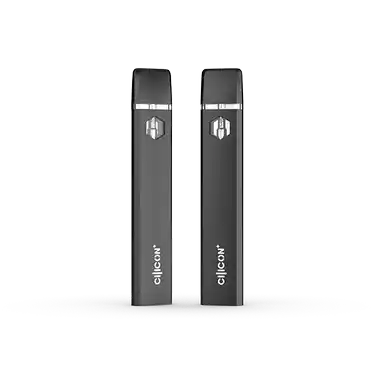
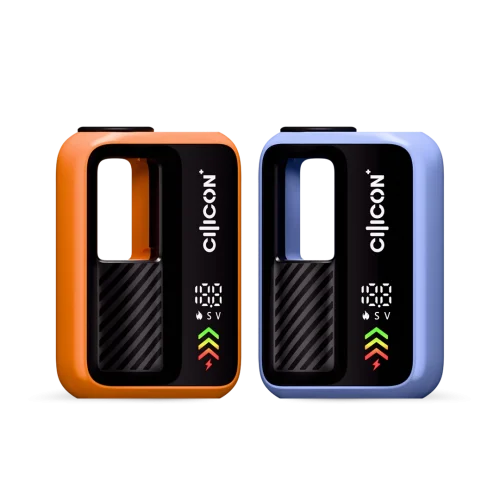
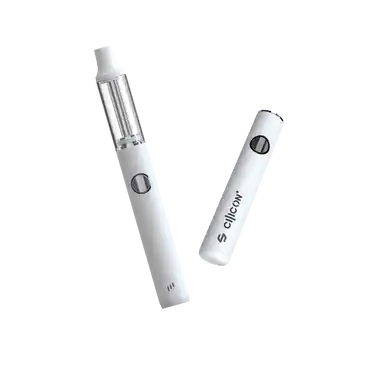
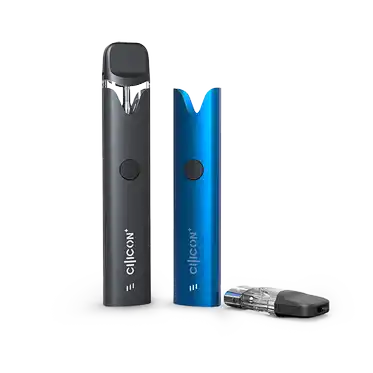
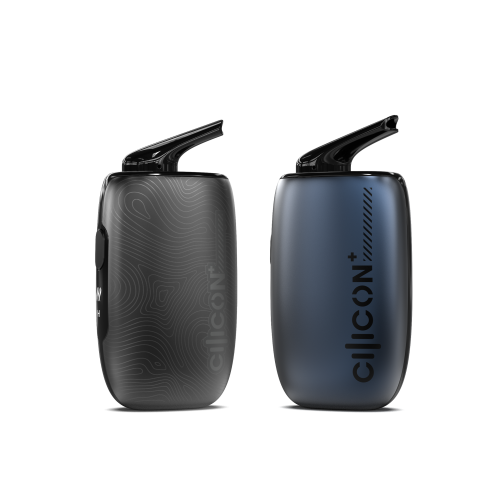
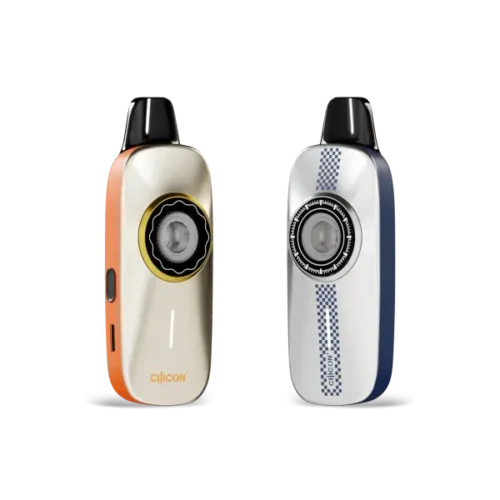
Utilizing the industry-standard 510 connection, Cilicon 510 thread batteries provide broad compatibility with diverse 510 cartridges. To better fit your target user experience, this lineup features both button-activated and inhale-activated models. Whether you need off-the-shelf options or fully customized hardware, our OEM, ODM, and wholesale solutions deliver reliable battery units built for your specific product line.
Filter

2 products



-
What Is a 510 Thread Battery?
A 510 thread battery is a rechargeable power unit designed to connect with cartridges that use a 510-thread connection. The term “510” is commonly understood to describe a connection with 10 threads at approximately 0.5 mm spacing.
Because the 510 connection is widely used across cartridge hardware, it gives brands and consumers greater flexibility than proprietary cartridge-and-battery systems. However, the thread connection alone does not guarantee complete compatibility. Cartridge diameter, electrical contact, resistance, airflow and battery output must also be considered.
Unlike an all-in-one device with an integrated battery and reservoir, a 510 system uses two separate components:
- A rechargeable 510 thread battery
- A compatible replaceable cartridge
This modular format allows the battery to be reused with multiple compatible cartridges.
How Does a 510 Thread Battery Work?
A 510 thread battery supplies electrical power to the heating element inside a connected cartridge. When the device is activated, the battery delivers a controlled output based on its voltage, power settings and internal protection system.
Most 510 batteries use one of two activation methods:
Button activation:
The battery uses a physical button to control activation, power settings or additional functions.
Inhale activation:
An internal airflow sensor detects pressure changes and activates the battery automatically.
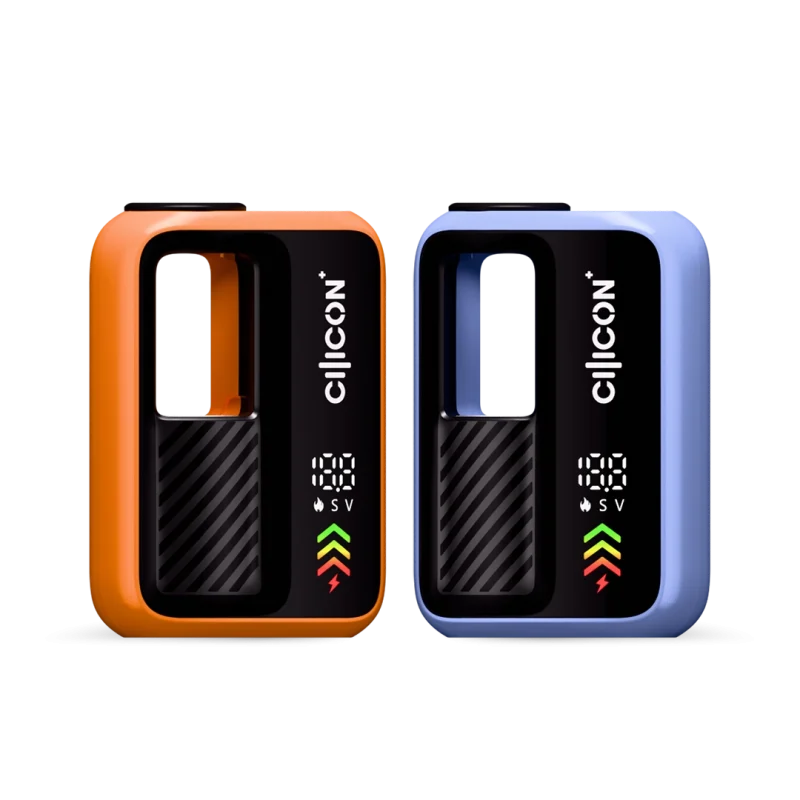
Some models combine both activation methods, allowing brands to select the user interface that best fits their product positioning. CILICON’s EDGE Mod1, for example, is available with button or inhale activation and multiple output settings.
What 510 Thread Battery mAh Size Should You Choose?
Battery capacity is measured in milliamp-hours, or mAh. A higher mAh rating generally provides a longer operating cycle between charges, but it can also increase the size and weight of the device.
Battery Capacity Typical Product Positioning Portability Charging Frequency 200–350 mAh Compact, lightweight or entry-level battery designs Very high More frequent 350–650 mAh Balanced everyday battery platforms High Moderate 650–900 mAh Extended-capacity or feature-rich battery designs Moderate Less frequent 900 mAh and above Large-capacity or specialized battery platforms Lower Less frequent The appropriate battery capacity should not be selected by mAh alone. Brands should also evaluate:
- Cartridge resistance
- Target voltage or wattage
- Activation method
- Device dimensions
- Charging interface
- Display and control functions
- Intended product lifecycle
- Target retail price
For example, CILICON currently offers models ranging from compact 400 mAh formats to 600 mAh battery platforms with adjustable output and additional control functions.
Button-Activated vs. Inhale-Activated 510 Batteries
The activation method affects product operation, industrial design and target positioning.
Feature Button-Activated Battery Inhale-Activated Battery Activation Controlled through a physical button Controlled through an airflow sensor User Interface Can support multiple commands and settings Minimal and simplified Voltage Control Commonly available Depends on the model Preheat Function Easier to integrate with button controls Available on selected designs Accidental Activation Control Often includes an on/off sequence Depends on airflow-sensor design Product Positioning Feature-rich and customizable Simple and discreet Neither activation method is universally better. The correct choice depends on the intended user interface, cartridge platform and brand positioning.
Fixed-Voltage vs. Variable-Voltage 510 Batteries
A fixed-voltage battery delivers a preset output designed for a defined cartridge range. This simplifies operation and helps brands maintain a consistent hardware configuration.
A variable-voltage 510 battery provides two or more output settings. This allows the battery platform to support cartridges with different resistance values or formulation requirements.
When developing a variable-voltage battery, brands should evaluate:
- Supported cartridge resistance
- Output voltage range
- Power stability
- Heating-core specifications
- Protection settings
- Cartridge and formulation testing
Voltage should be matched to the cartridge platform rather than selected solely on the basis of producing a stronger output.
What Does Preheat Mean on a 510 Battery?
Preheat is a battery function that delivers a short, controlled power cycle before normal activation.
It is commonly included in battery platforms designed for cartridges containing higher-viscosity formulations or for products that may be stored in cooler conditions. The objective is to prepare the cartridge system for more stable operation.
The appropriate preheat duration and output depend on the cartridge resistance, heating-core structure, formulation viscosity and battery design. These parameters should be validated through sample testing before mass production.
What Is a 510 Thread Battery Compatible With?
A 510 thread battery is designed to connect with cartridges using the same threaded format. However, mechanical connection does not automatically guarantee electrical or functional compatibility.
Before pairing a battery and cartridge, check the following factors:
1. Cartridge Diameter
Some batteries use recessed or enclosed cartridge chambers. A wide cartridge may have the correct thread but still fail to fit inside the battery housing.
2. Center-Pin Contact
The battery and cartridge contacts must align correctly to complete the electrical connection.
3. Resistance Range
The cartridge resistance must fall within the range supported by the battery’s chipset and protection system.
4. Output Range
The battery voltage or wattage must be appropriate for the cartridge heating element.
5. Airflow Structure
The battery housing must not obstruct the cartridge’s airflow inlets.
6. Thread Quality
Poorly manufactured or damaged threads can cause unstable contact, cross-threading or physical misalignment.
CILICON recommends testing the complete battery-and-cartridge system rather than evaluating each component separately.
How Long Does a 510 Thread Battery Take to Charge?
Charging time varies according to:
- Battery capacity
- Charging current
- USB or USB-C interface
- Battery-management system
- Remaining charge level
- Device temperature
Higher-capacity batteries generally require more charging time than compact batteries when the charging current is similar.
Because charging specifications differ between models, brands and users should follow the instructions supplied with the individual device rather than relying on a universal charging time.
How to Charge a 510 Thread Battery Safely
Use the charging cable, adapter and input specification recommended for the battery model.
For safer charging and battery maintenance:
- Inspect the battery and charging port before charging
- Do not use damaged cables or loose connectors
- Keep the charging port dry and free from residue
- Charge the device on a stable, heat-resistant surface
- Avoid charging near flammable materials
- Do not leave the battery charging unattended for extended periods
- Disconnect the device after charging is complete
- Stop using a battery that becomes unusually hot, swollen or physically damaged
How to Clean a 510 Vape Battery
Residue around the connection can interfere with electrical contact between the battery and cartridge.
To maintain the connection:
- Disconnect the cartridge and charging cable.
- Use a dry cotton swab or soft, lint-free cloth to remove loose debris.
- For persistent residue, use a lightly dampened swab with an electronics-safe cleaning solution.
- Allow the connection area to dry completely before reconnecting the cartridge.
- Do not immerse the battery in water or allow liquid to enter the charging port.
Avoid using sharp tools that may damage the thread, center pin or surrounding insulation.
Why Choose CILICON 510 Thread Batteries?
CILICON provides customizable 510 thread battery solutions for cannabis brands, distributors and OEM/ODM projects.
Our product range includes compact pen-style batteries and ergonomic designs developed for different cartridge systems and market requirements.
Customization options include:
- Battery capacity
- Button or inhale activation
- Fixed or adjustable voltage
- Preheat functions
- LED indicators or digital displays
- Housing colors, finishes and materials
- Logo and packaging customization
- USB-C charging configurations
CILICON also supports battery and cartridge compatibility testing based on resistance, airflow, dimensions and formulation requirements.
Contact CILICON to request samples, explore available models and discuss wholesale or OEM/ODM projects.
510 Thread Battery FAQs
Why Is My 510 Battery Blinking?
A blinking indicator can represent different operating or protection conditions, including:
- Low battery level
- Cartridge connection issue
- Unsupported resistance
- Short-circuit protection
- Activation timeout
- Charging status
- Device lock mode
Indicator patterns vary by model. Check the product manual before interpreting the number or color of flashes.
Why Is My 510 Battery Not Working?
Common causes include:
- The battery is not charged
- The cartridge is not making electrical contact
- Residue is blocking the connection
- The cartridge resistance is unsupported
- The battery is locked
- The cartridge or battery is damaged
- The battery protection system has been activated
Testing the battery with another compatible cartridge can help determine which component is causing the issue.
Are All 510 Batteries Universal?
No. Most 510 batteries share a similar threaded connection, but they are not universally compatible with every cartridge.
Compatibility may be affected by cartridge diameter, center-pin position, airflow, resistance and battery output.
Can Any 510 Cartridge Be Used With a 510 Battery?
A cartridge may physically connect to a 510 battery but still perform incorrectly if the electrical or airflow specifications do not match.
Brands should verify:
- Thread and contact alignment
- Cartridge diameter
- Resistance
- Recommended voltage
- Airflow position
- Battery protection range
What Is a Variable-Voltage 510 Battery?
A variable-voltage battery allows the output to be adjusted between two or more levels.
This type of battery is useful when a product line includes cartridges with different resistance values, heating structures or formulation requirements. The available voltage range should be validated against the intended cartridge platform.
What Is the Difference Between a 510 Battery and an AIO Device?
A 510 battery is a reusable power unit that connects to a separate cartridge.
An all-in-one, or AIO, device integrates the battery, reservoir, heating element and airflow structure into one hardware platform.
Feature 510 Battery System AIO Device Battery Reusable separate component Integrated into device Reservoir Replaceable cartridge Built-in reservoir Hardware Flexibility Supports compatible cartridges Fixed hardware configuration Product Setup Battery and cartridge must be matched Complete integrated system Customization Battery and cartridge can be developed separately Entire device developed as one system How Long Does a 510 Battery Last?
Battery service life depends on cell quality, operating conditions, charging cycles, output requirements and storage environment.
Signs that a battery may require replacement include:
- Significantly reduced operating time
- Failure to hold a charge
- Unstable output
- Excessive heat
- Physical swelling or damage
- Persistent protection errors
Damaged or swollen lithium batteries should not be used.
What Information Should Brands Provide When Sourcing a 510 Battery?
To recommend a suitable battery platform, a manufacturer may need:
- Cartridge dimensions
- Cartridge resistance
- Intended formulation category
- Required voltage or power range
- Target battery capacity
- Activation preference
- Device dimensions
- Charging requirements
- Target market
- Expected order quantity
- Customization and packaging requirements
Providing these specifications early can reduce compatibility problems and shorten the sampling and validation process.
