


















What Is a Dual Chamber Vape? How Dual-Chamber Vape Technology Works

In oil-vape and all-in-one (AIO) hardware—the focus of this guide—a dual chamber vape contains two separate oil reservoirs within one device. The basic idea is simple, but the labels used around this hardware are not. “Dual chamber,” “dual tank,” “dual coil,” “dual mesh,” “dual flavor,” and “2 in 1” can describe different parts of a device or different marketing concepts.
Not every dual chamber vape operates the same way. Some models let the user select either chamber, some also provide a combined mode, and others use fixed, model-specific operation. Reservoir layout, heating architecture, airflow, controls, capacity, and activation method must all be checked on the exact hardware. This guide explains those distinctions and what happens from oil storage to aerosol delivery.
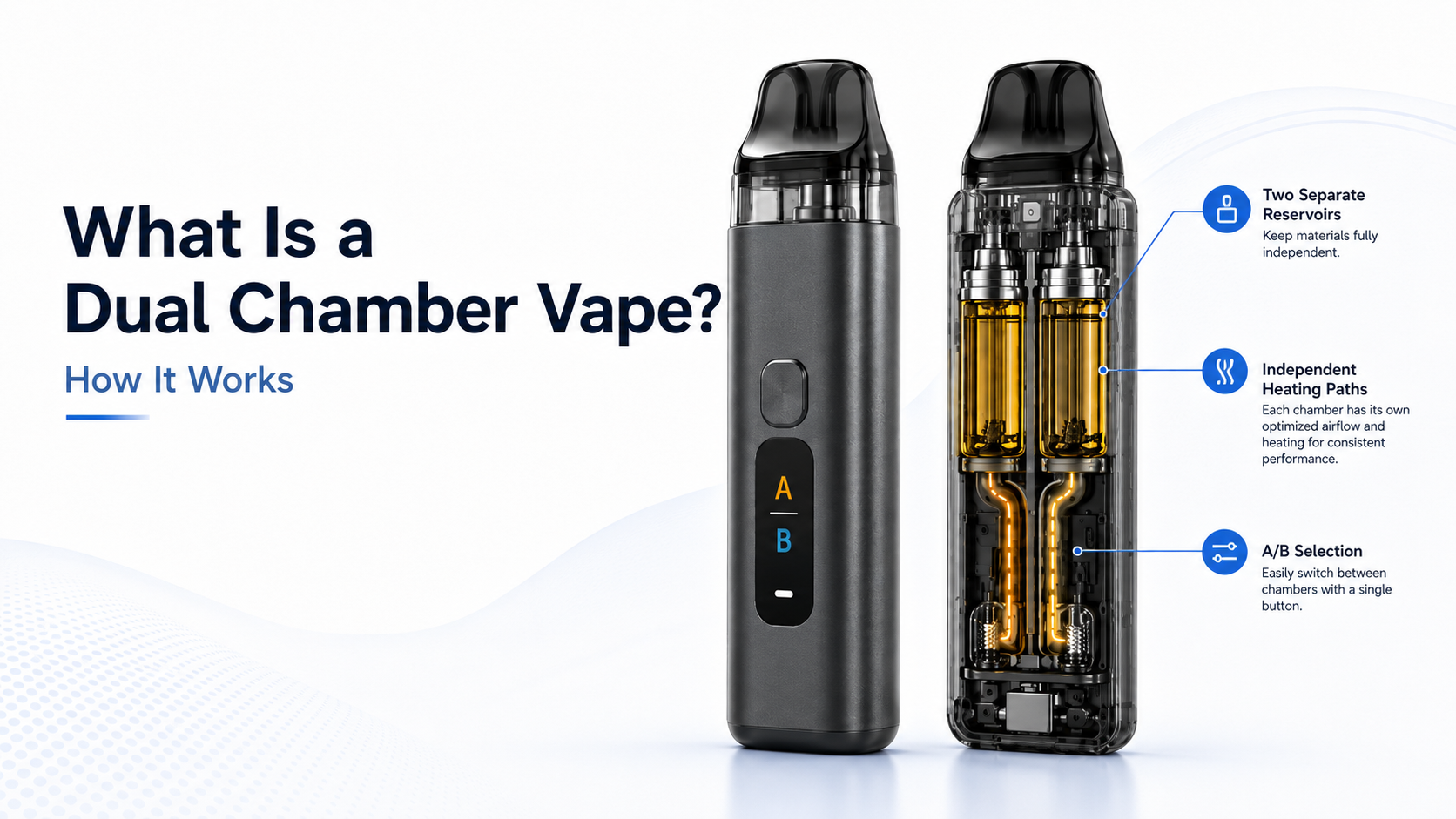
Quick answer: In the oil-vape and AIO hardware covered here, a dual chamber vape contains two separate oil reservoirs within one device. “Dual chamber” defines the reservoir layout, not the heater count. Many independently selectable designs use a separate heating element or path for each reservoir, but this is not universal; A/B selection, dual-coil or dual-mesh heating, combined operation, and battery life are model-specific.
What Does “Dual Chamber Vape” Mean?
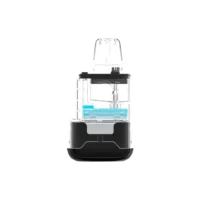
Within oil-vape and AIO hardware, a dual chamber vape has two physically separate oil reservoirs integrated into one body. The reservoirs can hold different oils. Heater count, heating technology, control logic, and simultaneous operation are separate design questions that must be verified for the exact model.
The word chamber refers to where the oil is stored. It does not, by itself, define the type or number of heating elements. Many independently selectable designs route each reservoir through a separately controlled heater or heating path, but this is not universal; some architectures may share heating components.
The phrase dual chamber vape pen adds a form-factor description, not a different operating principle. A dual-chamber device may use a slim pen-style body, a wider all-in-one body, or another enclosure while retaining the same two-reservoir concept.
| Term | Common Meaning | How It’s Commonly Used |
|---|---|---|
| Dual chamber vape | A device with two separate oil reservoirs in one body | Usually refers to the way the oil is stored. Depending on the design, users may be able to switch between the two chambers or use a combined mode. |
| Dual tank vape | A term often used for devices with two tanks or reservoirs | Often used similarly to “dual chamber,” although the exact tank, airflow, and heating layout varies by product. |
| Dual coil vape | A vape that uses two heating coils | Refers to the heating system rather than the number of oil reservoirs. The two coils may operate within a single reservoir or another device configuration. |
| Dual mesh vape | A device or heating element that uses two mesh heating sections or layers | Commonly describes the heater design. The exact mesh arrangement and operating mode depend on the product. |
| Dual flavor vape | A device marketed around two flavor options | The two flavors may be selected separately or, on some models, used together. The term describes the user experience more than a specific internal structure. |
| 2 in 1 vape | A broad term for a vape that combines two options or functions in one device | It may refer to two flavors, two chambers, two modes, or another paired feature depending on the product. |
A device can belong to more than one category. For example, some dual chamber vape hardware uses one heating element for each reservoir, and those elements may use mesh, ceramic, or another manufacturer-defined design. Other architectures may share heating components. Reservoir architecture and heating architecture must therefore be verified separately.
How Does a Dual Chamber Vape Work?
In the oil-vape/AIO scope of this guide, a dual chamber vape stores oil in two separate reservoirs and uses model-specific heating, airflow, and control architecture to produce aerosol. The sequence below illustrates an independently controlled layout; it is not a universal internal design. Fixed-mode hardware may not expose a user-selectable chamber.
- Two reservoirs keep their contents separate. Chamber A and chamber B are physically divided, and each holds its own oil supply. The two reservoirs may contain the same or different formulations.
- A selector or control identifies the active mode. Depending on the model, the user may choose chamber A, chamber B, or a documented combined setting. A selector, slider, button, screen, or another interface may control the choice.
- The battery powers the documented heating arrangement. In a layout that dedicates a heater or heating path to each reservoir, selecting A or B routes power to that side. Other architectures may share heating components.
- The active heating arrangement aerosolizes the selected oil. Oil reaches the heating zone through the model-specific fluid-delivery structure, where heat produces aerosol.
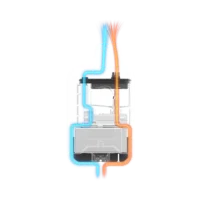
- Airflow carries the aerosol to the outlet. In designs with separate heating and airflow paths, aerosol may combine downstream during a documented simultaneous mode. The exact airflow layout and any convergence point are model-specific.
These functions build on the same battery, reservoir, heater, airflow, and mouthpiece relationships found among the parts of a disposable vape pen. Compared with a single-reservoir AIO device, dual-chamber hardware separates the stored oil and may duplicate or share other components according to the design.
What Happens in Combined Mode?
On a model with separately controlled heating paths, a documented combined mode may activate both paths together. The stored oils remain isolated in their reservoirs, while the resulting aerosol may combine downstream. The exact convergence point depends on the device’s verified airflow architecture.
Combined mode should not be inferred from the words “dual chamber” or “dual flavor.” Use combined operation only when the exact device documents simultaneous activation and that configuration is permitted for the product in the applicable market. Hardware capability and market authorization are not the same thing. For example, Maine’s Adult Use Cannabis Program guidance authorizes dual-chamber vape devices only when users cannot consume both products simultaneously; that state-program rule should not be generalized to other markets or product categories.
Dual Chamber Vape vs. Single Chamber Vape
In the oil-vape/AIO hardware compared here, a single-chamber vape stores one oil, while a dual-chamber vape integrates two separately stored oil options. A selectable dual-chamber model can provide more choice, but not every design exposes A/B control.
| Feature | Single-Chamber Vape | Dual-Chamber Vape |
| Oil reservoirs | One | Two separate reservoirs |
| Oil options in the device | One | Up to two |
| Chamber selection | Not needed | Available only when the model provides A/B control |
| Combined operation | Not applicable | Available only when the model documents it and the market permits that configuration |
| Control complexity | No chamber-selection logic required | Varies; selectable designs add control logic |
| Depletion tracking | One oil level | Each chamber may empty at a different rate |
| Hardware design | One reservoir; heating and airflow architecture varies | Two reservoirs; heating and airflow components may be separate, duplicated, or partly shared |
A dual chamber vape is not automatically better than a single-chamber device. Choose a dual-chamber design when access to two separately stored oils is valuable. Choose a single-chamber design when simpler operation or one dedicated oil option is the priority.
Dual Chamber vs. Dual Coil vs. Dual Mesh Vape
Dual chamber describes reservoir or storage architecture; dual coil and dual mesh describe heating architecture. Confusing these terms can lead to incorrect assumptions about how many oils a device can store or select.
A dual-coil atomizer can place two coils in one heating assembly supplied by a single reservoir. A dual-mesh design can likewise use two mesh elements or layers without providing two separately stored oils. Many independently selectable dual-chamber AIO designs give each reservoir its own controllable heating element or path, but this is not universal; some architectures may share components.
The most useful questions are:
- How many separate oil reservoirs are present?
- How does the heating system serve the two reservoirs, and are any components shared?
- Can the user select either chamber?
- Does the exact model support simultaneous operation?
- What heating technology does the model document?
Those answers describe the actual device more accurately than “dual” on its own. Vaporesso’s official GTX documentation, for example, uses “Dual Mesh” for a dual-layer mesh coil structure—a product-level heating description, not proof of two oil reservoirs. For a closer look at heater types, see Cilicon’s guide to vape heating components.
Benefits of Dual Chamber Vape Hardware
The central benefit of dual chamber vape hardware is access to two separately stored oil options without changing devices. Other benefits depend on the specific implementation.
- Two oil options in one body: The device can carry two formulations or flavor profiles while keeping them in separate reservoirs.
- Independent selection: A selectable design lets the user switch from one chamber to the other without replacing a cartridge or carrying a second device.
- Optional combined experience: A model with a verified combined mode can operate both chambers in one draw according to its documented design and applicable market requirements.
- Clear product differentiation: For brands, dual-chamber architecture can support paired-product concepts when the controls and labels make each mode understandable.
These benefits should not be extended into unsupported performance claims. Two chambers do not automatically deliver stronger flavor, longer battery life, twice the usable life, or fewer leaks and clogs. Those outcomes depend on total oil volume, battery capacity, heater design, airflow, formulation, use pattern, and manufacturing quality.
Tradeoffs and Common Misunderstandings
Dual-chamber designs add flexibility, but the additional reservoir—and, in selectable models, added control logic—creates more variables for users and hardware developers.
“Dual chamber” does not always mean “blend”
Some devices are built for selection rather than simultaneous operation. If the instructions list only chamber A and chamber B, the hardware should not be treated as a blending device.
The listed capacity may be total or per chamber
A capacity figure can describe the entire device or an individual reservoir. Check how the manufacturer states the specification instead of dividing or doubling the number.
The two chambers may not empty evenly
Different selection habits can leave one chamber empty while the other still contains oil. Oil formulation and the model’s heating behavior may also affect how quickly each side is used. Monitor each chamber separately.
More components do not guarantee better performance
Dual-chamber architecture does not by itself solve oil-to-hardware compatibility, clogging, leaking, overheating, or power-management issues. Performance depends on the complete system, not just the number of reservoirs.
How to Use a Dual Chamber Vape
To use a dual chamber vape, start with the instructions for the exact model. Confirm whether the hardware provides A/B selection, a combined mode, or no user-selectable chamber before looking for a selector or indicator. Controls from one 2 in 1 vape should not be assumed to work on another.
- Confirm how the model identifies its operating modes. Labels, icons, lights, or a screen may indicate chamber A and chamber B, but those interfaces are not universal.
- Check the activation instructions. Confirm whether the device is draw-activated, button-activated, or uses a separate selector before the draw.
- Select a chamber only if the model provides manual selection. Set the device to A or B using the documented control, then confirm the active mode as instructed.
- Use both chambers only when the exact model documents simultaneous activation and the applicable market permits that configuration. A dual or blend symbol alone is not enough.
- Monitor each oil level separately. Stop activating a chamber that appears empty or produces a persistent burnt taste.
- Stop using damaged or abnormal hardware. Do not continue using a device that is leaking, physically damaged, unusually hot, or operating unpredictably. Follow the manufacturer’s support and disposal instructions.
Avoid guessing at button sequences, opening a sealed device, or trying to reconfigure a disposable unit. Model-specific controls and battery construction determine what operation and maintenance are appropriate.
What to Check Before Choosing Dual Chamber Vape Hardware
Before choosing a dual chamber vape, verify the reservoir layout, control modes, capacity definition, heating technology, and intended oil compatibility. A product diagram and operating guide are more useful than a broad “dual flavor” claim.
For an individual adult user, the most important checks are:
- whether the device selects A, B, or A/B together;
- how the active chamber is indicated;
- whether capacity is stated per chamber or for the full device;
- whether the device is rechargeable and which charging instructions apply;
- what the instructions say to do when one chamber empties before the other.
For a vape brand or hardware buyer, confirm the supplier’s validation requirements for the intended oil formulation, fill process, storage conditions, and every documented operating mode. Also confirm any configuration, registration, labeling, or authorization requirements in each target market. A hardware feature and an authorized commercial configuration are separate questions.
Frequently Asked Questions
Do the two oils mix inside a dual chamber vape?
The stored oils normally remain separate in their reservoirs. If a model documents simultaneous operation, aerosol from the two chambers may combine downstream, but the exact method and convergence point depend on the device’s airflow architecture. Product documentation or a verified technical drawing is needed to determine where and how this occurs.
Can a dual chamber vape use two flavors at the same time?
Only if the exact device documents simultaneous operation and that configuration is permitted for the product in the applicable market. A “dual flavor” label may describe one-at-a-time selection rather than simultaneous activation. The label alone does not confirm how the device operates.
Is a dual chamber vape the same as using two cartridges?
Not necessarily. In oil-vape/AIO hardware, a dual-chamber device integrates two reservoirs into one body; its heating and airflow architecture varies by design. A dual-cartridge system may instead use two removable or separately manufactured cartridges. Product names can overlap, so check the actual reservoir and connection layout.
Does a dual chamber vape last twice as long?
Not necessarily. Runtime and usable life depend on total oil volume, battery capacity, heater behavior, selected mode, draw pattern, and whether both chambers are used evenly. Two chambers describe how the oil is separated, not a guaranteed life multiplier.
Can one chamber work after the other is empty?
An independently selectable model may continue using the chamber that still contains oil, but the exact behavior is model-specific. Do not activate an empty side or use combined mode after one chamber is depleted unless the manufacturer’s instructions explicitly permit it.
Is a dual chamber vape pen always disposable?
No. Dual chamber describes reservoir architecture, not service life. The term is used for some all-in-one and disposable vape hardware, but two-reservoir concepts can also appear in other device formats. Verify whether the exact product is sealed, refillable, rechargeable, or replaceable.
The Bottom Line
A dual chamber vape is essentially two separate oil reservoirs built into one device. Depending on the design, users may be able to switch between the two sides or use both in a combined mode.
What matters most is understanding what each “dual” label actually refers to. Dual chamber describes the reservoir setup, while terms like dual coil and dual mesh usually describe the heating system. Dual flavor and 2 in 1 are broader terms that can describe the overall product experience.
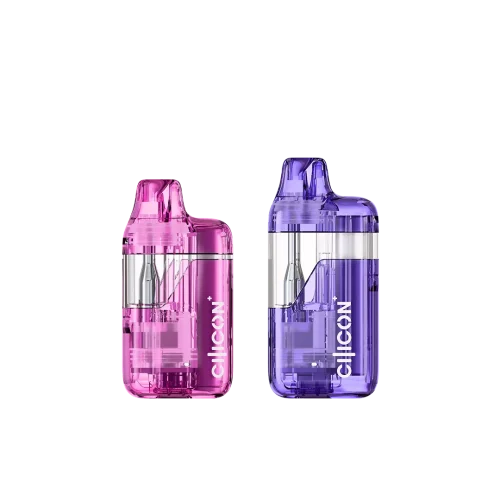
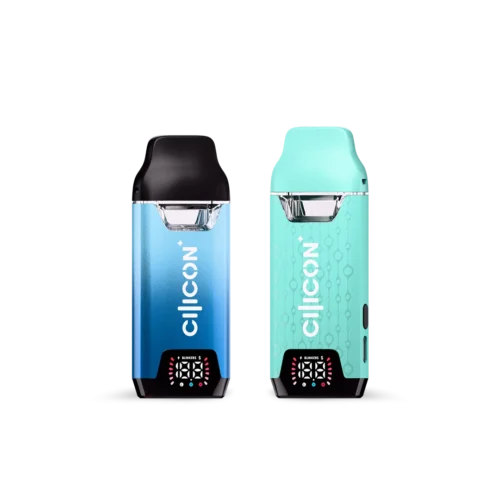
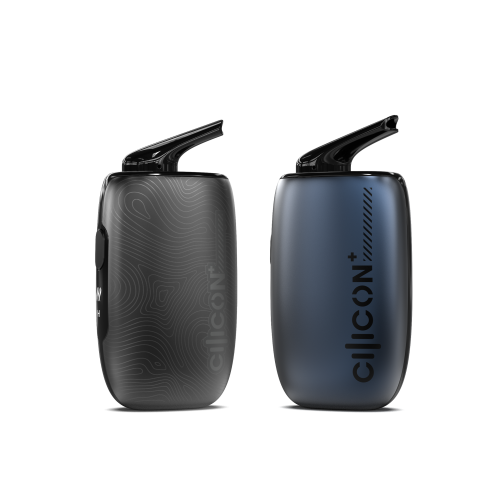
For brands interested in this type of hardware, Cilicon’s DELI Duo 2 series shows how dual-chamber designs can be applied to AIO devices. Explore the product pages or contact Cilicon to discuss specifications, customization, and sample testing.

Written by:
Ethan Parker
Hello, I’m Ethan, a content marketing specialist at CILICON, a top-tier cannabis vape manufacturer. My goal extends beyond merely promoting products; it is more importantly about helping people understand and learn about cannabis and vaping, providing them with relevant knowledge and information. Having graduated from University of North Carolina, I cultivated a strong passion and interest in nicotine, cannabinoids, and vape products. At CILICON, I integrate this knowledge and enthusiasm into content creation, sharing interesting and valuable insights.
