
















How to Match 510 Cartridge Hardware to Oil Viscosity?

A cartridge can use a standard 510 connection and still perform poorly with a particular oil.
If the oil moves too slowly, the heating element may not receive enough oil between draws. If it flows too easily, excess oil can enter the heating area or airway. Either situation can lead to weak output, clogging, a burnt taste, gurgling, flooding, or leaking.
Choosing a 510 cartridge for thick oil therefore requires more than looking for the largest intake holes or a ceramic heating element. Intake design, heating structure, airflow, temperature, seals, and battery output all work together.
This guide explains what actually matters when matching cartridge hardware to oil viscosity, what symptoms to watch for, and how to tell whether the cartridge or another part of the setup is causing the problem.
Quick Answer
For thick oil, look for a cartridge that can move oil consistently from the reservoir to the heating element without requiring excessive heat or creating uncontrolled flow.
The most important factors are:
- Intake geometry and oil path
- Heating and ceramic structure
- Airflow design
- Reservoir and seal design
- Normal operating temperature
- Battery compatibility and supported power
There is no universal intake-hole diameter, ceramic type, or voltage that works with every thick oil. The best cartridge is the one whose complete oil path and heating system match how the oil behaves under normal use.
What Should You Look for in a 510 Cartridge for Thick Oil?
If you are comparing cartridges, start with the complete system rather than one advertised feature.
| Feature | Why It Matters | What Not to Assume |
|---|---|---|
| Intake design | Determines how easily oil moves from the reservoir toward the heater | Bigger intake holes are not automatically better |
| Heating structure | Determines how efficiently supplied oil reaches and wets the heated area | “Ceramic” alone does not guarantee compatibility |
| Airflow | Influences draw, vapor movement, and pressure around the heating area | A 510 connection does not guarantee ideal airflow with every battery |
| Reservoir and seals | Help control oil movement and reduce unwanted migration | A leak does not automatically mean the oil is too thin |
| Temperature behavior | Thick oil usually moves more slowly when cooler | More heat is not always the solution |
| Battery output | Controls how quickly the heating element consumes supplied oil | Higher voltage cannot fix poor oil feeding |
For a thick oil, the goal is not simply to create the fastest possible oil flow. The goal is to maintain enough oil supply for the heater without flooding the heating chamber or airway.
That distinction is important because many cartridge problems come from an imbalance between feeding and heating rather than viscosity alone.
What Is Oil Viscosity?
Viscosity describes how resistant a liquid is to flow.
In simple terms:
- More viscous oil moves more slowly.
- Less viscous oil moves more easily.
Temperature can change this behavior significantly. Many oils become more resistant to flow when cooler and move more easily when warmer.
That means the same cartridge can perform differently after cold storage, inside a warm vehicle, or after repeated activation.
Labels such as distillate, live resin, or live rosin also do not define one exact viscosity. Formulation and temperature can change how an oil behaves even when two oils belong to the same general category.
For a broader explanation of these oil categories, see CILICON’s guide to live resin, live rosin, and distillate.
Technical note: If viscosity is measured professionally, the test method and temperature matter. A viscosity number without those conditions does not tell you by itself whether an oil will work with a particular cartridge.
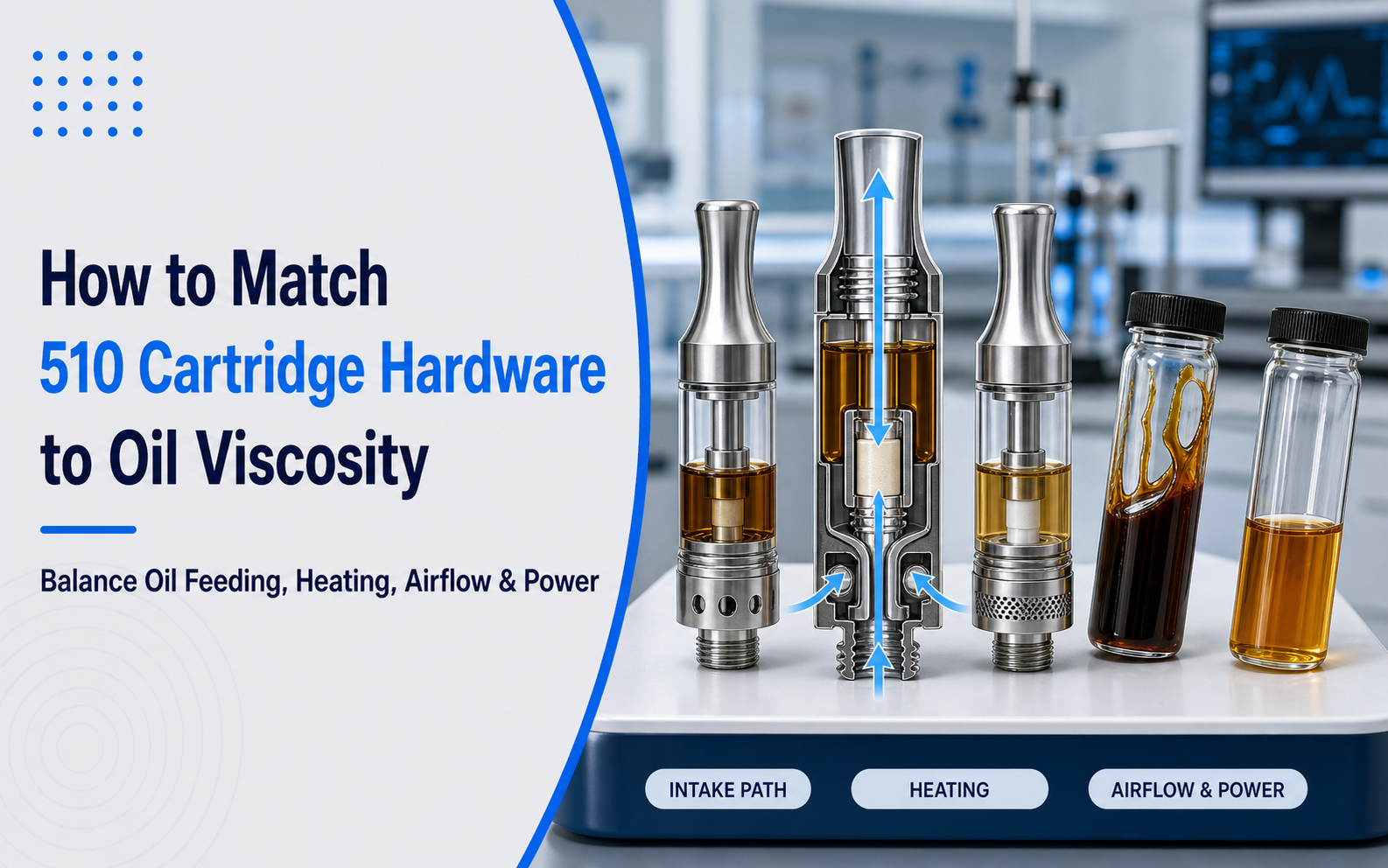
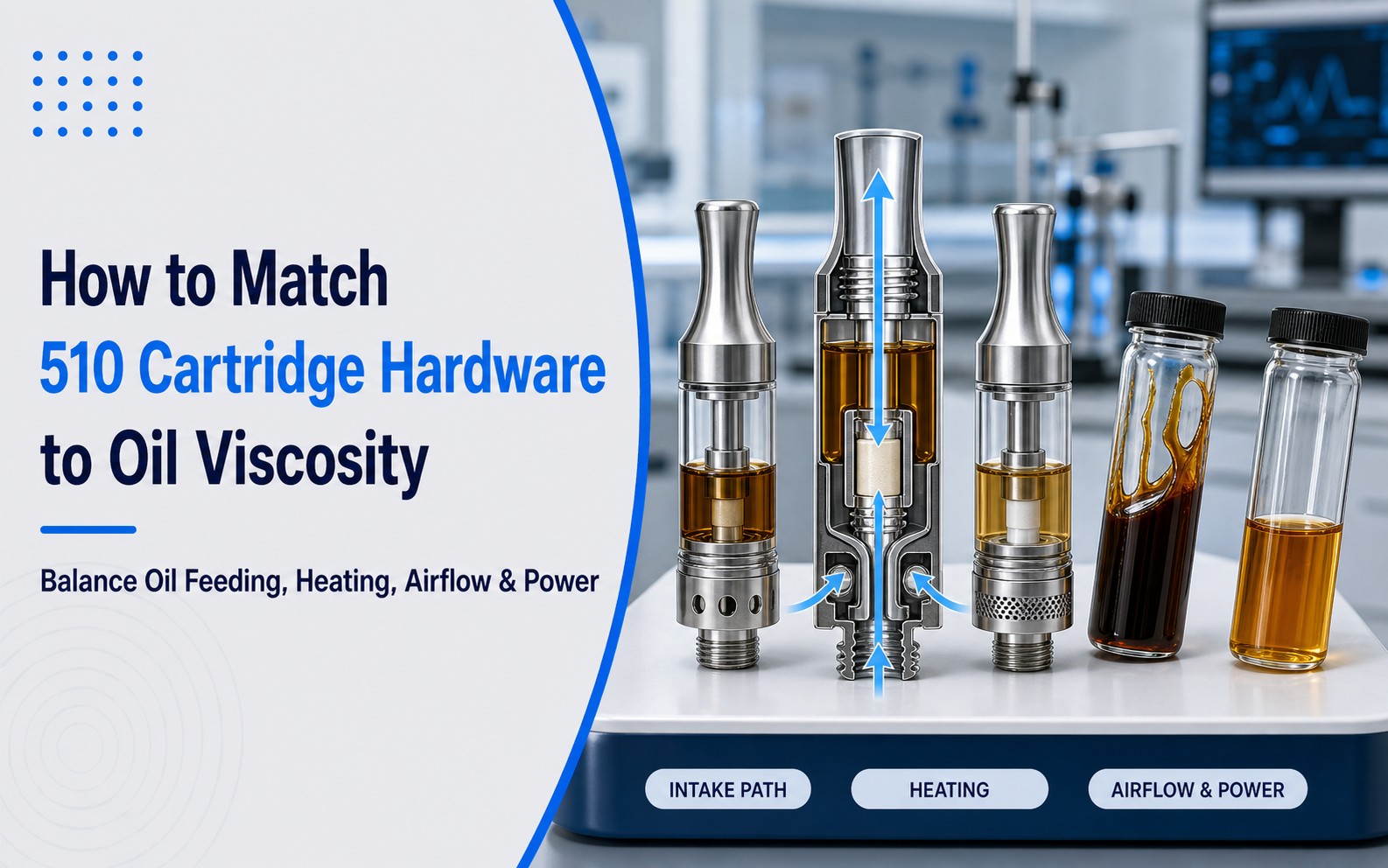
How Oil Moves Through a 510 Cartridge
To understand viscosity compatibility, it helps to follow the oil path.
Oil typically moves through several stages:
- Oil sits in the reservoir.
- It reaches the cartridge intake openings.
- The intake structure carries oil toward the heating element.
- The heating area receives and retains enough oil for activation.
- The heated material produces vapor.
- Vapor travels through the airflow path to the mouthpiece.
The important part is the balance between how quickly oil reaches the heater and how quickly the heater uses it.
If the heater consumes oil faster than the cartridge can replenish it, the heated area may become under-supplied.
If oil reaches the heating area faster than it can be vaporized, excess liquid may collect around the heater or airway.
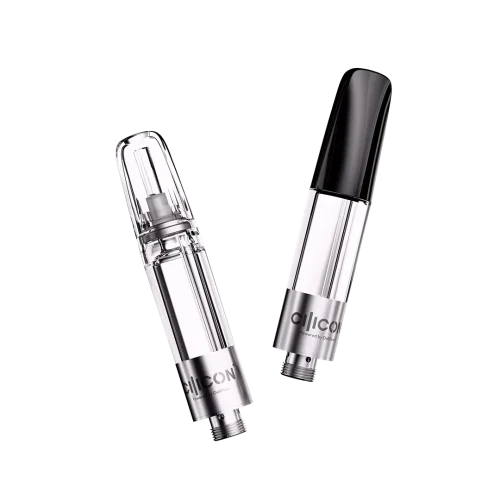
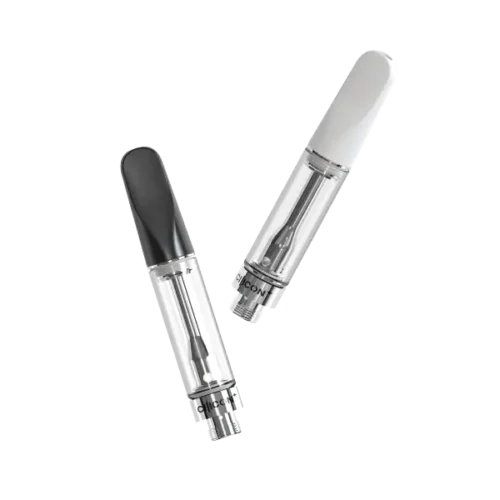
CILICON’s guide to how 510 carts work explains the main cartridge components in more detail.
Thick Oil vs. Thin Oil: What Changes?
Thick and thin oils place different demands on cartridge hardware.
| Oil Behavior | Possible Cartridge Effect | What to Check |
|---|---|---|
| Moves slowly toward the heater | Weak output or dry heating | Intake path, heater wetting, temperature, recovery time |
| Becomes much thicker when cool | Restricted draw or inconsistent output | Temperature history, intake design, airflow |
| Moves easily through the cartridge | Faster feeding or possible flooding | Intake control, heater structure, seals |
| Becomes noticeably thinner when warm | Gurgling, migration, or leaking may increase | Heat exposure, reservoir design, seals, storage orientation |
| Changes noticeably between batches | Same hardware produces different results | Formulation, storage, filling, temperature |
These are possible patterns rather than automatic diagnoses.
For example, clogging may come from thick oil, but it can also come from condensation or material inside the airway. Likewise, leaking may involve oil viscosity, but damaged seals, overfilling, storage position, heat, or pressure can produce similar symptoms.
Cartridge Features That Matter Most for Thick Oil
Intake Design
Intake holes are one of the first features people notice when comparing cartridges, but hole diameter is only part of the picture.
Also consider:
- Number of openings
- Shape
- Position
- Height
- Distance from the heating area
- Internal path after oil enters
A larger opening can help a slow-moving oil in one cartridge design.
But simply increasing the opening size can also allow too much oil to reach the heating area when the formulation is less viscous or the cartridge becomes warm.
Instead of asking:
“Which cartridge has the biggest intake holes?”
A better question is:
“Can this cartridge maintain a stable oil supply to the heating element with this oil?”
Ceramic and Heating Structure
Ceramic is common in oil cartridges, but it should not be treated as a universal quality or compatibility label.
Two ceramic cartridges can behave very differently because their:
- Porosity
- Geometry
- Surface area
- Thermal response
- Heating-coil integration
- Oil-path design
may be different.
For thick oil, the heating structure needs to receive enough oil between activations while still controlling excess flow.
A ceramic heating element can be part of a good thick-oil cartridge, but the complete design matters more than the word ceramic on the product description.
Airflow
Airflow affects more than draw resistance.
The cartridge needs to move vapor through the airway while the reservoir continues feeding oil toward the heating area.
Restricted airflow can make a cartridge feel clogged even when oil feeding is not the main problem.
Oil or condensation inside the airway can also create:
- Gurgling
- Spit-back
- Restricted draw
- Apparent clogging
Battery design matters here too. Some batteries or enclosures can partially block the air inlets of certain cartridges.
A cartridge may therefore screw onto a battery correctly while still having a poor airflow match.
Reservoir and Seals
The reservoir influences how oil reaches the intake as the cartridge empties and as its position changes.
Seals and cartridge joints help keep oil in the intended flow path.
External leakage can involve:
- Damaged seals
- Incorrect assembly
- Overfilling
- Heat exposure
- Pressure changes
- Storage orientation
- Oil that flows too easily for the design
A leaking cartridge should not automatically be diagnosed as a viscosity problem.
Battery Output
Battery output affects how rapidly the heater consumes the oil supplied to it.
If oil is feeding slowly, simply increasing voltage may make the imbalance worse.
The heater can become hotter before enough fresh oil reaches the heated area, increasing the chance of harsh or burnt output.
Use battery settings supported by the cartridge and battery manufacturer rather than treating higher voltage as a way to force thick oil through the cartridge.
For more detail, see CILICON’s cart voltage guide.
How Temperature Affects Thick Oil
Temperature is one of the most overlooked variables in cartridge performance.
Many oils flow more slowly when cooler.
A cartridge that performs normally at room temperature may begin to show:
- Slow feeding
- Weak output
- Restricted draws
- Repeated clogging
after being stored in a colder environment.
Heat can create the opposite problem. As oil becomes easier to move, a marginal cartridge design may become more prone to:
- Flooding
- Gurgling
- Oil migration
- Leakage
So when a cartridge suddenly behaves differently, ask whether the storage or operating temperature changed before assuming the hardware failed.
Do not use flames, boiling water, ovens, or uncontrolled high heat to alter oil flow.
If the cartridge or battery supports a preheat function, follow the manufacturer’s instructions.
Stop using hardware that is cracked, actively leaking, electrically damaged, or repeatedly overheating.
Signs Your Oil and Cartridge May Be Poorly Matched
One failed cartridge does not prove that the oil and hardware are incompatible.
A mismatch becomes more likely when the same symptom repeatedly appears across multiple undamaged cartridges using the same oil.
| Symptom | Possible Causes | What to Check First |
|---|---|---|
| Repeated clogging | Slow oil movement, airway condensation, restricted airflow, cool conditions | Temperature, airway, airflow clearance |
| Weak output | Slow feeding, low battery, poor electrical contact, unsuitable power | Battery charge, connection, oil level |
| Burnt or dry taste | Heater is under-supplied, output is too high, cartridge is nearly empty | Stop activation, check oil supply and supported power |
| Gurgling | Excess liquid near heater, condensation, forceful drawing | Airway, orientation, drawing behavior |
| Flooding | Oil reaches heating area faster than it is vaporized | Temperature, intake control, seals, power |
| External leaking | Seal issue, overfilling, heat, pressure, oil migration | Stop using damaged hardware and inspect cartridge |
| Works warm but poorly when cool | Oil becomes significantly more resistant to flow | Temperature behavior and approved preheat method |
For broader troubleshooting that goes beyond viscosity, see CILICON’s guide to common 510 cart issues.
How to Choose a Better Oil-to-Cartridge Match
Instead of selecting a cartridge by one specification, use this process.
1. Observe the Oil at Its Normal Temperature
Look at how easily the oil moves under the conditions in which the cartridge will actually be used.
Pay attention to whether its behavior changes substantially between cool and warm conditions.
2. Check the Cartridge’s Intended Application
Use the manufacturer’s current documentation.
Do not assume that every 510 cartridge is intended for every oil viscosity simply because the connection is compatible.
3. Compare the Complete Intake Path
Look beyond the diameter of the visible holes.
Consider their:
- Size
- Number
- Position
- Geometry
- Relationship to the heater
4. Compare the Heating Structure
Determine how oil reaches and wets the heating area and what battery settings the cartridge supports.
Do not use “ceramic” as the only selection criterion.
5. Confirm Airflow and Battery Fit
Make sure the cartridge attaches correctly without force and that the battery or housing does not block its air inlets.
6. Start With Supported Power
Operate within the recommended range.
Do not immediately increase voltage when thick oil appears to feed slowly.
7. Watch for Repeatable Patterns
Consistent dry or burnt behavior can indicate insufficient oil supply or excessive heat.
Repeated flooding or gurgling can indicate excess liquid reaching the heating area.
Temperature-dependent problems are especially useful clues.
8. Compare Another Cartridge Architecture
If battery, connection, storage, airflow, and obvious damage have been ruled out, testing another cartridge design can help determine whether the original hardware is poorly matched to the oil.
The practical goal is to change one major hardware variable at a time rather than randomly changing voltage, temperature, battery, and cartridge simultaneously.
Common Mistakes When Choosing a Cartridge for Thick Oil
Choosing the Largest Intake Holes
Larger openings may improve feeding, but they are not automatically better.
The intake must work with the heater, reservoir, seals, airflow, and oil behavior.
Choosing by the Word “Ceramic”
Ceramic describes a material or part of the heating system, not the complete cartridge architecture.
Two ceramic cartridges can perform differently with the same oil.
Treating Oil Type as a Viscosity Specification
A product category does not provide an exact viscosity value.
Two oils with similar labels may move differently because of formulation and temperature.
Increasing Voltage to Fix Slow Feeding
More power increases heat demand.
It does not widen the intake path or automatically improve oil movement.
If the heating area is already under-supplied, extra power can make performance worse.
Assuming Every Clog Is Caused by Thick Oil
Clogs can also involve:
- Condensation
- Oil in the airway
- Restricted airflow
- Storage position
- Drawing behavior
- Battery or connection issues
Diagnose the complete system before replacing the hardware.
For Brands Selecting Empty 510 Cartridge Hardware
For brands, fillers, and product developers, oil-to-hardware matching should be evaluated with the formulation intended for the final product.
A useful comparison keeps major variables consistent while the cartridge design changes.
That can include:
- Oil formulation
- Fill amount
- Capping method
- Storage conditions
- Battery pairing
- Temperature conditions
Then compare hardware for:
- Feeding consistency
- Clogging
- Flooding
- Leakage
- Draw behavior
- Output consistency
A cartridge that performs well with one formulation should not automatically be assumed to support every oil in the same category.
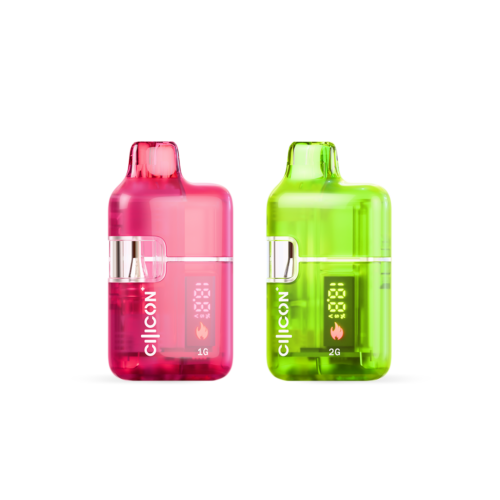
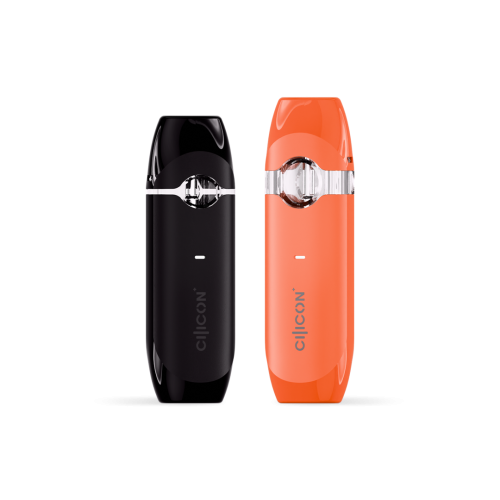
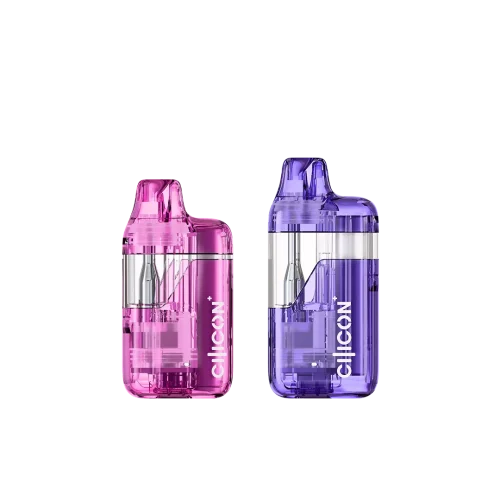
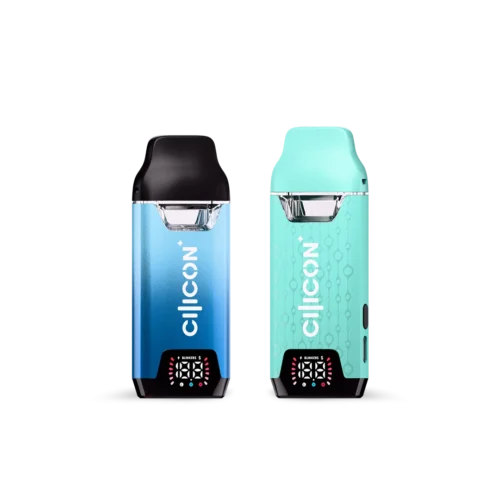
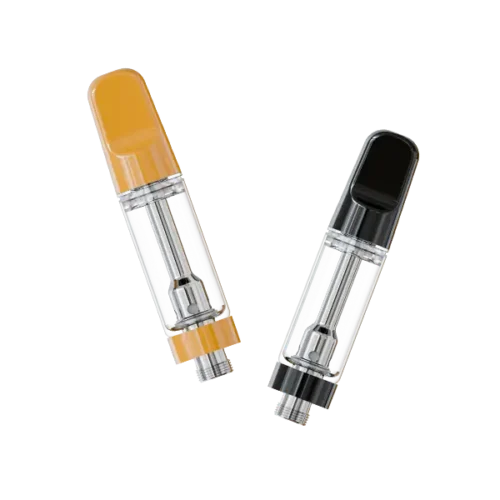
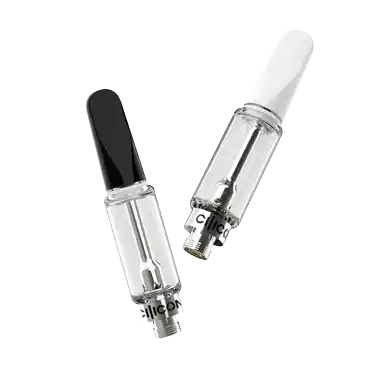
Brands comparing empty hardware can explore CILICON’s 510 thread cartridge lineup.
For sample availability or project-specific requirements, contact CILICON with the intended cartridge format and relevant oil-behavior information.
Frequently Asked Questions
What is the best cartridge for thick oil?
The best cartridge for thick oil is one that can consistently supply the heating element without flooding the heater or airway under normal operating temperatures. Intake geometry, heating structure, airflow, seals, and supported battery output all matter. A cartridge labeled “for thick oil” is a useful starting point, but it does not guarantee compatibility with every formulation.
Do thick oils need larger intake holes?
Thick oils may benefit from a less restrictive intake path, but larger intake holes are not always better. The number, shape, position, and height of the openings also matter, along with the heating structure and reservoir design.
Is ceramic better for thick oil?
Ceramic can work well with thick oils, but ceramic cartridges are not all designed the same way. Porosity, geometry, heating integration, and oil-path design influence performance. Evaluate the complete heating system rather than selecting a cartridge only because it uses ceramic.
Why does thick oil clog a cartridge?
Thick oil can move slowly, especially in cooler conditions, but not every clog is caused by viscosity. Condensation, oil migration into the airway, restricted airflow, storage position, and drawing behavior can create similar symptoms.
Can thin oil cause a cartridge to leak?
Oil that moves easily can increase flooding or leaking risk in a cartridge that cannot adequately control feeding. However, damaged seals, overfilling, pressure changes, excessive heat, and storage position can also cause leaks.
Does temperature affect oil viscosity in a cartridge?
Yes. Many oils become more resistant to flow when cooler and move more easily when warmer. A cartridge that performs normally at room temperature may therefore feed more slowly in cold conditions or become more prone to flooding after excessive heat exposure.
Can higher voltage fix a cartridge that struggles with thick oil?
Usually not. Higher voltage increases heating power but does not fix a restrictive intake path or insufficient oil supply. If the heating element is not receiving enough oil, additional power can make dry or burnt output more likely.
How do I know whether the oil and cartridge are mismatched?
A mismatch becomes more likely when the same problem repeats across multiple undamaged cartridges using the same oil, particularly when the symptom changes predictably with temperature or cartridge design. First rule out battery charge, electrical contact, blocked airflow, storage issues, low oil level, and a single defective cartridge.
Conclusion
Choosing a 510 cartridge for thick oil is about balancing oil feeding with heating, airflow, and power.
Do not choose hardware based only on intake-hole size, a ceramic label, or the assumption that higher voltage will solve slow oil movement.
Instead, compare the complete oil path:
reservoir → intake → heating structure → airflow → battery output
Start with the cartridge manufacturer’s intended application, observe how the oil behaves at normal temperatures, use supported power settings, and pay attention to repeatable symptoms.
When the oil and hardware are properly matched, the cartridge should supply the heating element consistently without relying on excessive heat or allowing uncontrolled oil flow.
Readers comparing empty hardware can explore CILICON’s 510 thread cartridge options, while brands with formulation-specific requirements can contact CILICON to discuss suitable hardware and sample evaluation.

Written by:
Ethan Parker
Hello, I’m Ethan, a content marketing specialist at CILICON, a top-tier cannabis vape manufacturer. My goal extends beyond merely promoting products; it is more importantly about helping people understand and learn about cannabis and vaping, providing them with relevant knowledge and information. Having graduated from University of North Carolina, I cultivated a strong passion and interest in nicotine, cannabinoids, and vape products. At CILICON, I integrate this knowledge and enthusiasm into content creation, sharing interesting and valuable insights.
