


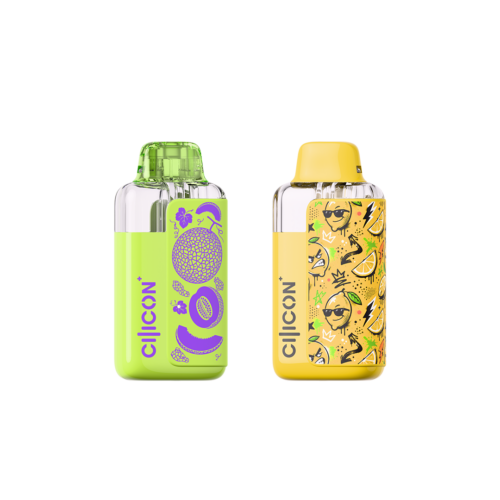
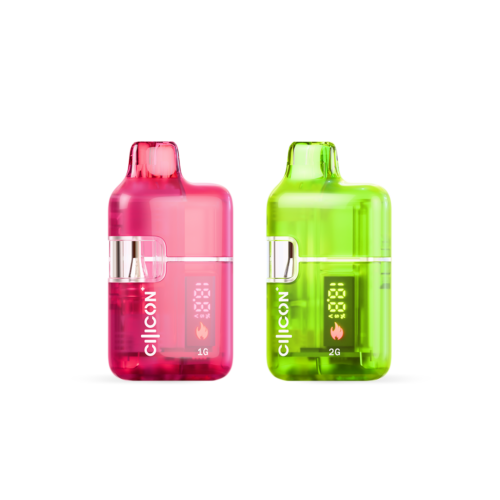
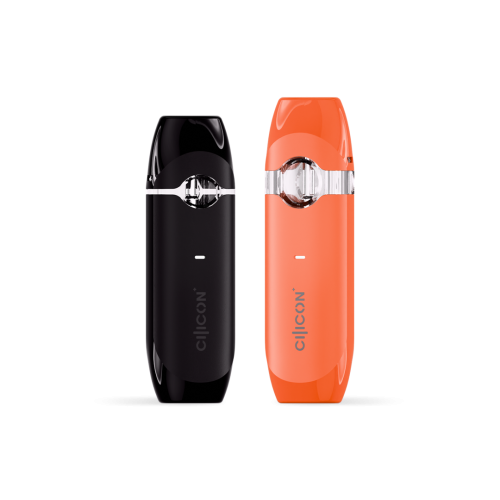
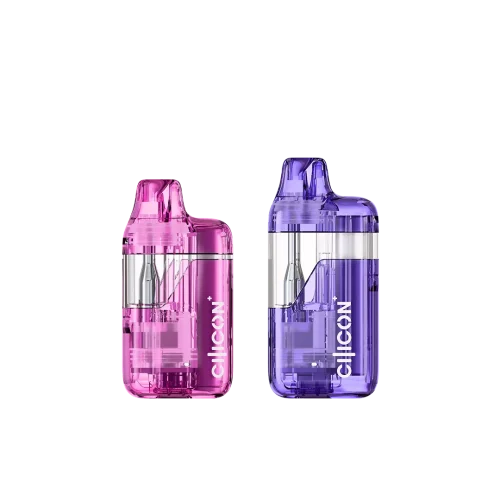
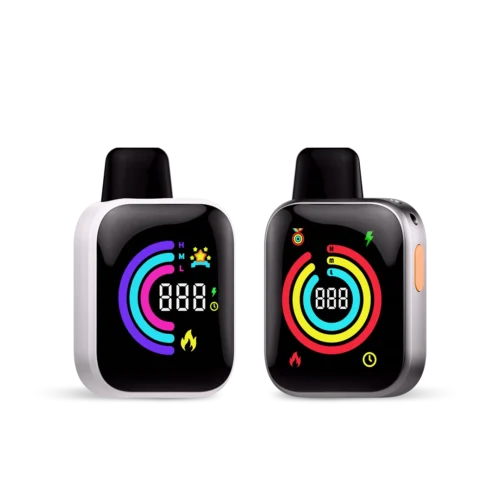


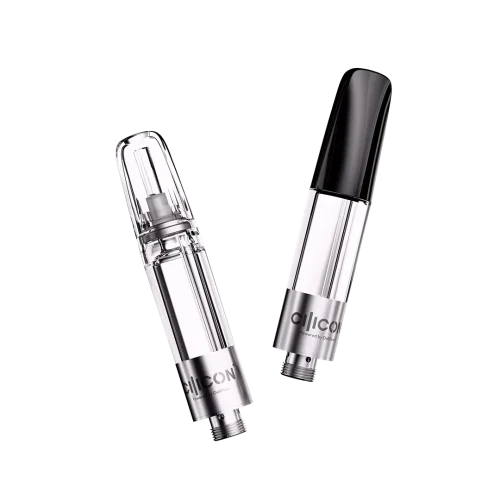
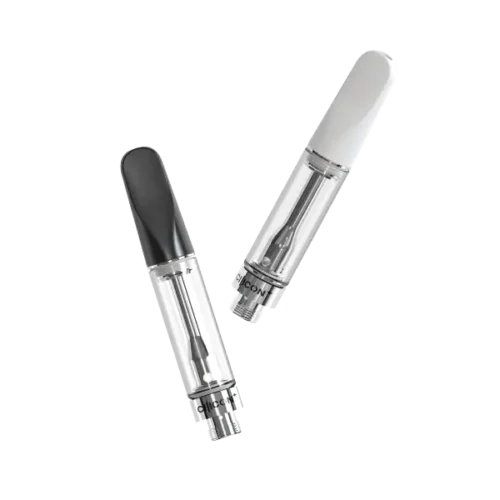
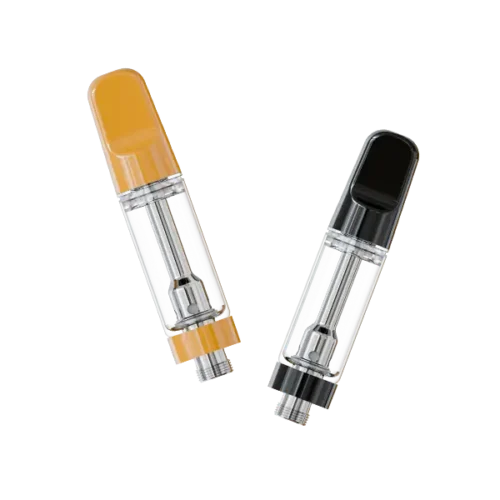






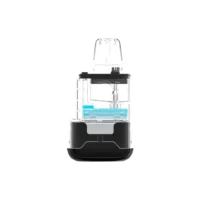
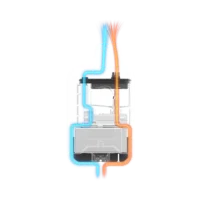


510 Thread Cartridges
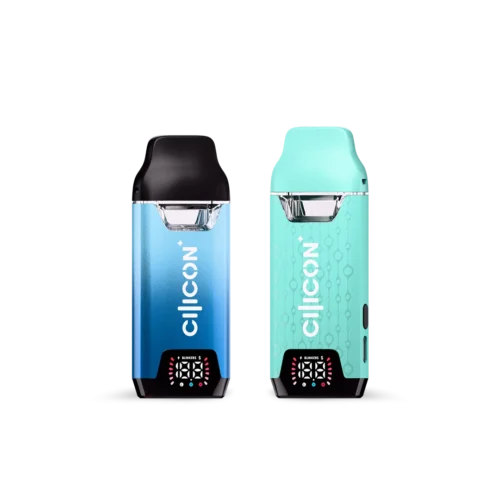
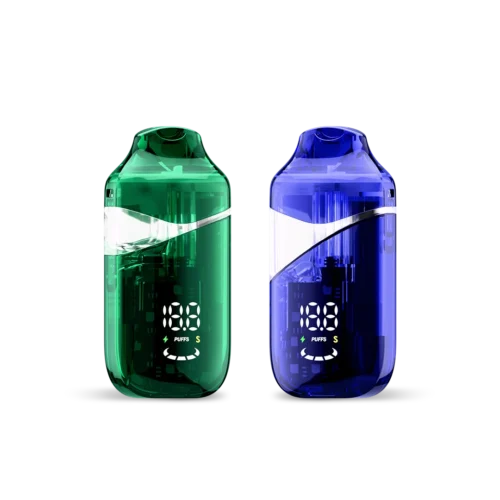
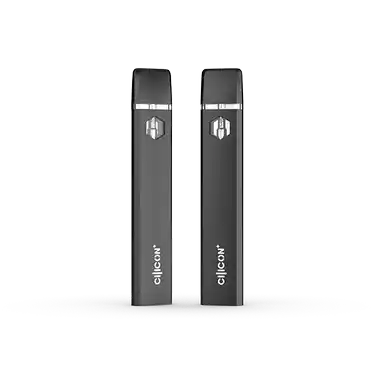
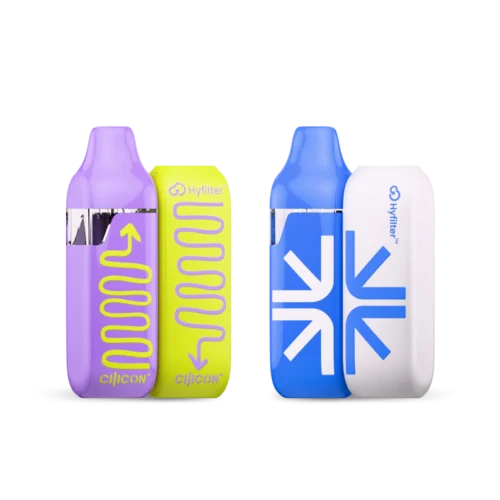
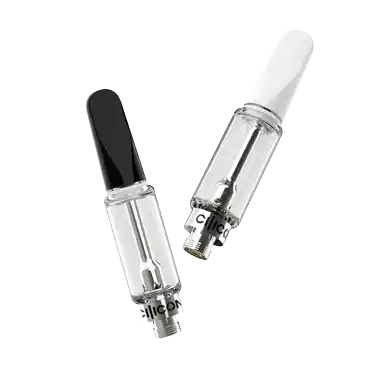
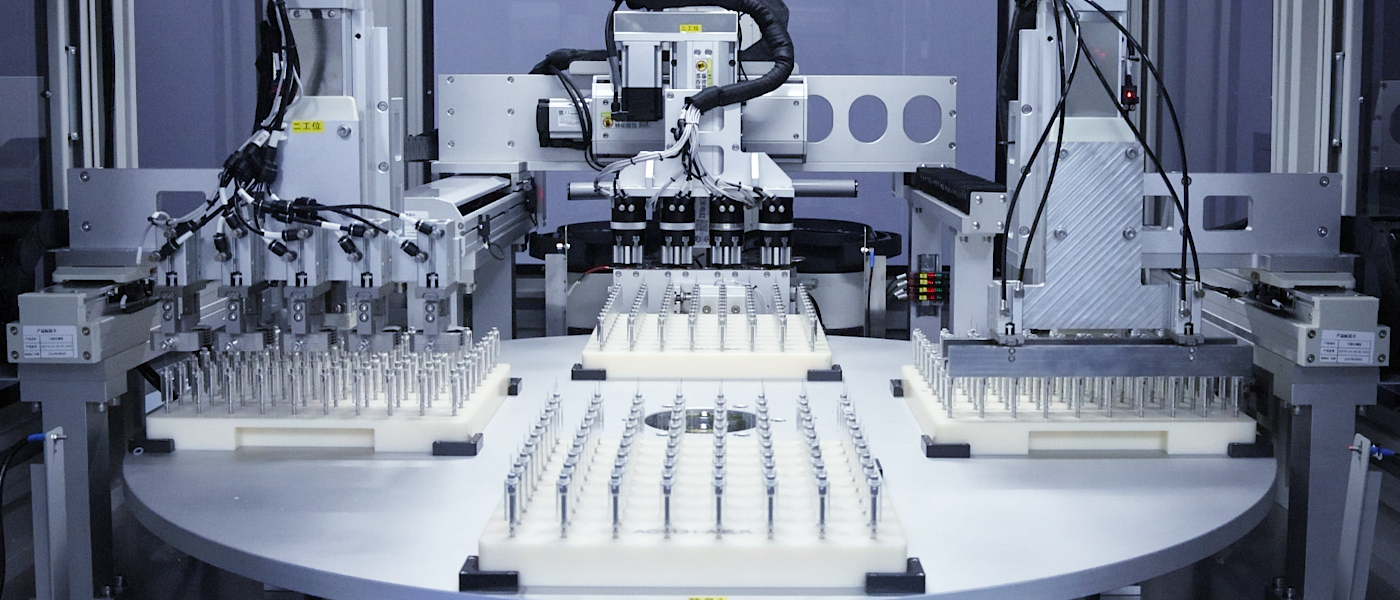
Available in classic formats and postless 510 cartridge options, Cilicon's 510 thread cartridges handle various cannabis extract viscosities. Moreover, they are sized to pair with a wide variety of 510 batteries on the market. To guarantee strict quality consistency, we manufacture each empty 510 thread cartridge on automated production lines and provide customized capping jigs to significantly boost your filling and capping efficiency.
Filter

4 products
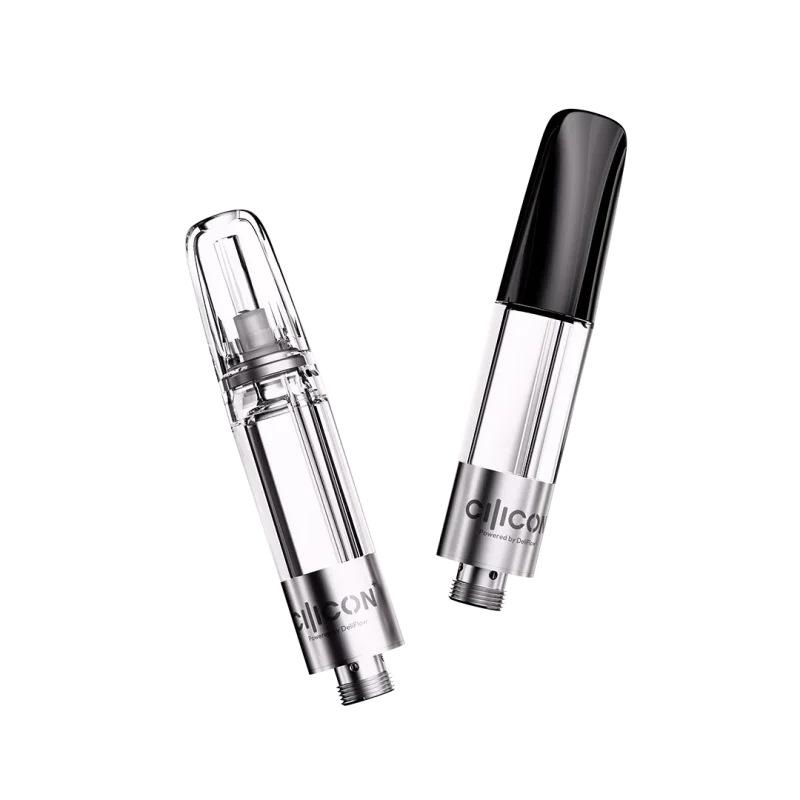
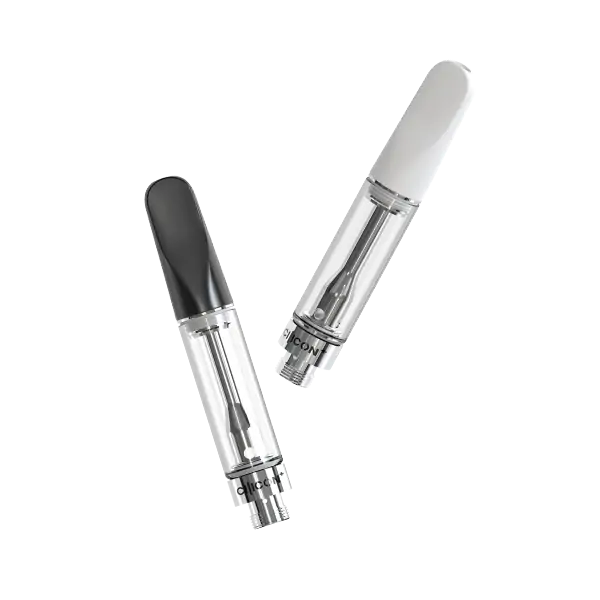
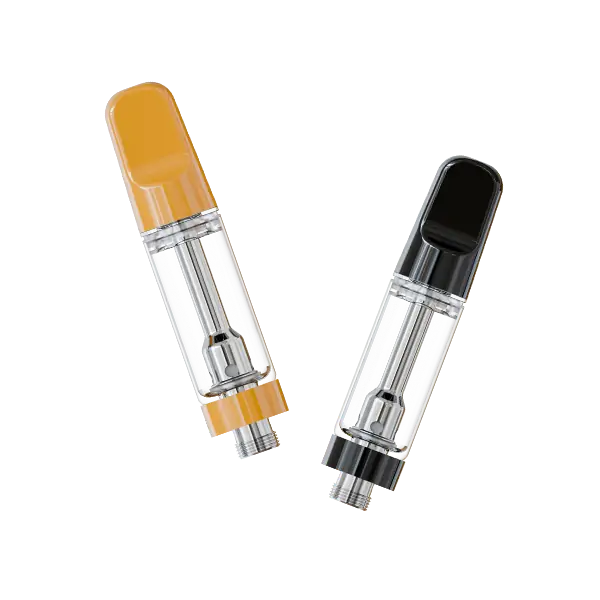
Precision-Built 510 Thread Cartridges
Explore CILICON’s automated production of wholesale empty 510 thread cartridges, designed to support consistent quality, scalable output, and efficient fulfillment for bulk and OEM/ODM orders.

Play full video

-
What Is a 510 Thread Cartridge?
A 510 thread cartridge is a removable oil reservoir and heating unit designed to connect to a compatible 510-thread battery. The name “510” refers to the widely used threaded connection that allows cartridges and batteries from compatible hardware platforms to work together.
Unlike an all-in-one device, a 510 cartridge does not include a built-in battery. Users can replace the cartridge while continuing to use the same battery, making the format suitable for reusable hardware systems.
CILICON supplies empty 510 thread cartridges for brands, distributors, and OEM/ODM projects. Our product range includes traditional center-post cartridges and modern postless designs developed for different capacities, formulations, and product concepts.
Empty 510 Cartridge Designs and Capacities
Empty 510 cartridges are available in different structures, materials, and capacities to support a range of product requirements. The appropriate format depends on the intended formulation, battery platform, filling process, and target market.
Capacity Common Application 0.5 mL Compact products, sample programs, and entry-level product lines 1.0 mL Standard retail format and mainstream cartridge applications 2.0 mL High-capacity products designed for extended usage cycles Capacity alone does not determine cartridge performance. The tank structure, heating core, airflow, intake design, and battery output must also be matched to the intended formulation.
Postless 510 Cartridges vs. Center-Post 510 Cartridges
Feature Postless 510 Cartridge Center-Post 510 Cartridge Internal Structure Open reservoir design without a traditional central post Traditional central post forming the primary airflow channel Airflow Design Airflow integrated through base and internal chamber structure Airflow travels upward through a central airway Oil Visibility Clear, unobstructed view of the reservoir Central post partially obstructs oil chamber visibility Filling Process Open tank design allows more efficient filling workflow Requires precise filling around the center post Ceramic Heating Compatible with ceramic cores integrated into base structure Compatible with ceramic heating in center-post architecture Oil Compatibility Depends on ceramic pore structure, intake design, resistance, and viscosity Depends on intake-hole placement, heating-core design, resistance, and viscosity Oil Utilization Reduced oil retention due to open internal geometry Efficiency depends on chamber geometry and intake positioning Clogging & Leakage Performance depends on airflow balance, sealing, formulation, and storage conditions Condensation may form in central airway if airflow and heating are not optimized Product Positioning Modern, visually open structure aligned with premium positioning Conventional structure suited for cost-effective and mainstream positioning Neither structure is universally better. CILICON offers both postless 510 cartridges and center-post cartridges, allowing brands to select empty 510 cartridge hardware based on oil compatibility, ceramic heating requirements, filling processes, battery platforms, and target product positioning.
Do All 510 Cartridges Fit All 510 Batteries?
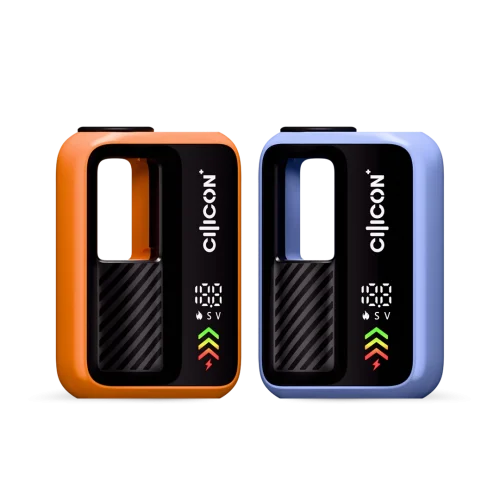
Most 510 cartridges are designed to work with standard 510-thread batteries, but compatibility is not always guaranteed. A cartridge may screw onto a battery and still have issues with airflow, electrical contact, or power output.
Before pairing a 510 cartridge with a battery, check:
- The cartridge diameter and battery opening
- The thread and center-pin connection
- Whether the battery supports the cartridge resistance
- The recommended voltage range
- Whether the airflow path is blocked
510 Thread Cartridge vs. AIO Disposable Vape
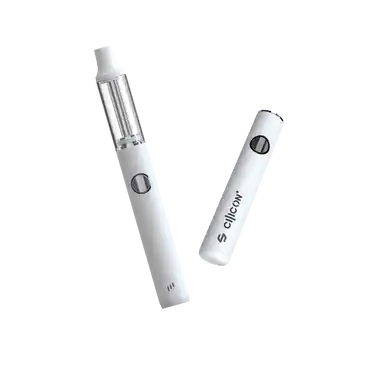
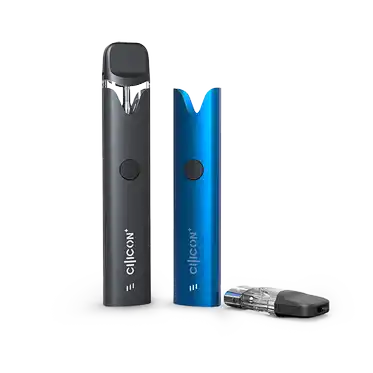
The main difference between a 510 thread cartridge and an AIO disposable vape is how the hardware is set up. A 510 cartridge requires a separate compatible 510 battery, while an AIO vape combines the battery, oil reservoir, and heating system in one device.
Feature 510 Thread Cartridge AIO Disposable Vape Battery Requires a separate 510-thread battery Built-in integrated battery system Setup Must be attached to a compatible battery before use Ready to use out of the box with no additional hardware Capacity Commonly available in 0.5 mL, 1.0 mL, and 2.0 mL formats Available in 0.5 mL, 1.0 mL, 2.0 mL, and high-capacity formats Replacement Replace only the cartridge while reusing the battery Replace the entire device after use Charging Depends on the external battery used Rechargeable models typically use USB-C charging Portability Requires carrying both cartridge and battery separately Compact all-in-one integrated design Flexibility Supports switching between multiple compatible cartridges Fixed system with integrated hardware configuration Best For Users who prefer reusable batteries and modular cartridge systems Users who prefer convenience and all-in-one simplicity FAQs
Does CILICON Sell Empty or Filled 510 Cartridges?
CILICON focuses on empty 510 cartridge hardware. Brands are responsible for their own formulations, filling process, final packaging, and market compliance.
What Battery Works With a 510 Cartridge?
A 510 cartridge requires a compatible 510-thread battery. In addition to the thread connection, cartridge diameter, center-pin contact, airflow, resistance, and battery output should also be checked.
Are All 510 Cartridges Universal?
Most 510 cartridges share a common thread format, but they are not universally compatible with every battery. Physical size, airflow, contact design, and power requirements may differ.
What Causes a 510 Cartridge to Leak or Clog?
A 510 cartridge may leak or clog when the formulation viscosity does not match the intake design, airflow becomes unbalanced, seals are compromised, or the cartridge is exposed to unsuitable temperatures. Battery output can also affect heating consistency and contribute to condensation or oil buildup. Proper hardware matching, storage, and quality sealing can help reduce these issues.
What Is the Most Common 510 Cartridge Capacity?
The 1.0 mL cartridge is widely used for standard product lines. CILICON also offers selected 0.5 mL and 2.0 mL options for different product formats and capacity requirements.
What Is the Difference Between a Postless and Center-Post Cartridge?
A postless cartridge removes the traditional central airway to create a more open reservoir. A center-post cartridge uses a conventional central airflow structure. The right design depends on formulation, airflow, filling process, and product positioning.
Are Ceramic 510 Cartridges Better?
Ceramic heating can support consistent heat distribution and broad formulation compatibility. However, overall performance also depends on airflow, resistance, sealing, intake design, battery output, and formulation matching.
What Oil Types Are Compatible With 510 Cartridges?
Compatibility depends on viscosity, composition, and heating requirements. Different cartridge designs may be suitable for distillate, live resin, live rosin, liquid diamonds, and other oil formulations, but sample testing is recommended before production.
Can I Order Customized Wholesale 510 Cartridges From CILICON?
Yes. CILICON supplies wholesale empty 510 thread cartridges for brands, distributors, and OEM/ODM partners. Customization options may include mouthpiece design, colors, finishes, branding, packaging, and selected hardware features. Contact the CILICON team for available models, samples, MOQs, customization options, and project support.
